




Can I use regular trekking poles for frosty ground conditions in Brazil?
Yes – you can use regular trekking poles for frosty ground conditions in Brazil, but they need the right features. Your poles will work if they have aluminium shafts (carbon is brittle in cold), lever locks (twist locks can freeze), cork grips (comfortable in cold/damp), and sharp carbide tips (grip on frosty rock). If there's frost, snow, or muddy ground, fit mud baskets to prevent sinking (snow baskets for deeper snow). For Pico da Bandeira, Serra da Mantiqueira, or Caparaó frosty mornings, the Leki Makalu or Decathlon Forclaz MT900 with baskets are ideal. Carry spare carbide tips—frost and rock wear them fast.
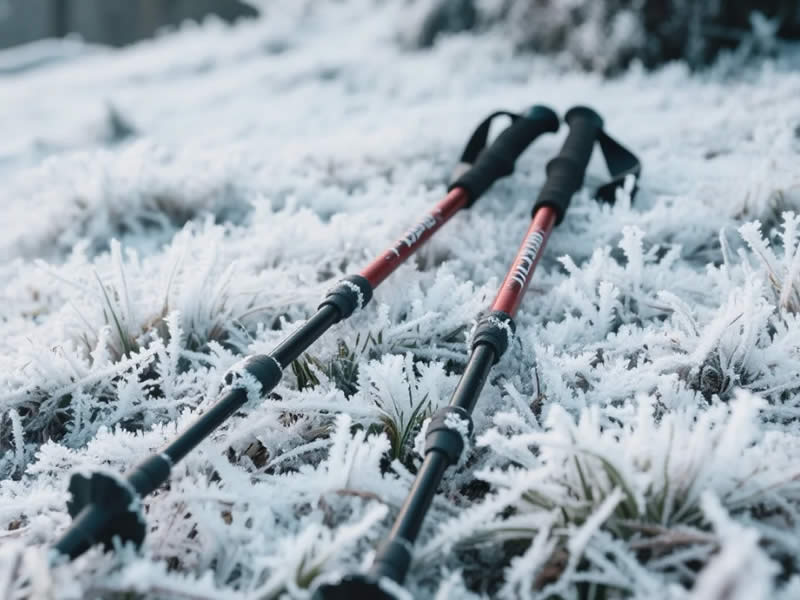
1. Understanding frosty ground conditions in Brazil
Frosty ground conditions in Brazil occur primarily in the southern and southeastern mountain ranges—Serra da Mantiqueira, Serra do Mar, and the higher peaks of Caparaó and Pico da Bandeira. Winter mornings (June–August) can be frosty, with temperatures dropping below freezing. The ground may be covered in frost, thin ice, or light snow. These conditions demand poles that are reliable in cold, wet, and icy conditions.
2. Can regular trekking poles handle it?
Yes – regular poles will work, provided they have the right features. You don't need a special "winter" pole, but your standard poles must meet certain criteria. Here's what you need:
3. Key features for frosty conditions
a. Aluminium shafts – Aluminium (especially 7075 alloy) is the best material for cold conditions. It bends under impact but rarely breaks. Carbon fibre is lighter but becomes brittle in sub‑zero temperatures; a side impact on frost‑broken rock can cause it to splinter. If your poles are carbon, be cautious on rocky sections.
b. Lever locks – In cold, wet conditions, twist locks can freeze or slip. Lever locks (cam locks) are easier to operate with gloves and are more reliable in freezing conditions. If you have twist locks, be aware that they may slip or freeze in cold weather.
c. Cork grips – Cork grips are comfortable in cold, damp conditions. They become tacky when damp, providing a secure hold even with gloves or wet hands. Foam grips can become slippery when wet; rubber becomes hard and cold.
d. Sharp carbide tips – Frost‑broken rock and ice will wear down tips quickly. Sharp carbide tips grip on frosty rock. Check your tips before the walk – if they are blunt, replace them.
e. Snow/mud baskets – If there is frost, snow, or muddy ground, fit baskets to prevent the pole from sinking. Snow baskets (larger) are for snow; mud baskets (slightly smaller) are for soft, wet ground. Baskets are essential for walking on frosty or muddy paths.
f. Spare tips – Carry a spare pair – frost and rock wear tips fast.
4. What to avoid
- Carbon fibre – Can splinter on side impacts in cold conditions.
- Twist locks – Can freeze or become difficult to operate with gloves.
- Poles without basket compatibility – You will sink into snow or mud.
- Poles without cork grips – Foam can become slippery; rubber becomes hard.
5. Top picks for frosty Brazilian trails
a. Leki Makalu – 7075 aluminium, steel lower section, SpeedLock Plus, cork grips, replaceable tips. Virtually indestructible. Price: ~R$700–900.
b. Decathlon Forclaz MT900 – 7075 aluminium, lever locks, cork grips, replaceable tips. Best value (~R$400). Add baskets separately.
c. Black Diamond Trail Pro – 7075 aluminium, FlickLock, comfortable foam/cork grip. Price: ~R$600–900.
6. Practical tips for frosty mornings
- Check your poles before the walk – Test locks, tips, and baskets.
- Use rubber tips on road sections – To protect carbide tips.
- Shorten for ascents – On steep climbs, shorten by 5 cm for better leverage.
- Lengthen for descents – On icy descents, lengthen by 5 cm for braking.
- Plant vertically on ice – A straight‑down push gives maximum bite.
- Test the ground – Tap ahead with your pole to test frosty patches.
7. When to upgrade
If your poles have carbon shafts, twist locks, or blunt tips, consider upgrading or borrowing a pair for frosty conditions. The cost of a new pair is small compared to the risk of a fall on icy ground.
8. Final verdict
Yes – regular trekking poles can handle frosty ground conditions in Brazil if they have aluminium shafts, lever locks, cork grips, and sharp carbide tips. Fit baskets for snow or mud, and carry spare tips. The Leki Makalu is the gold standard, and the Decathlon Forclaz MT900 is an excellent budget option. With the right poles and technique, you can tackle frosty trails with confidence and safety. Happy (and frosty) hiking!




