




What trekking pole tip is best for wet, greasy tree roots in the New Forest?
The New Forest is a magical place for walkers—ancient woodlands, wild ponies, heathland, and a network of trails that wind through some of England's most captivating landscapes. But ask any regular walker here about their biggest challenge, and they'll likely mention the tree roots. Not just any roots, but the ones that become treacherously slick after rain, coated in a thin film of damp moss, algae, and natural oils that make them as slippery as polished glass. When you're navigating these root‑crossed paths, choosing the right trekking pole tip can be the difference between a confident stride and a sudden, jarring slip. In this guide, I'll tell you exactly which tip works best and why.
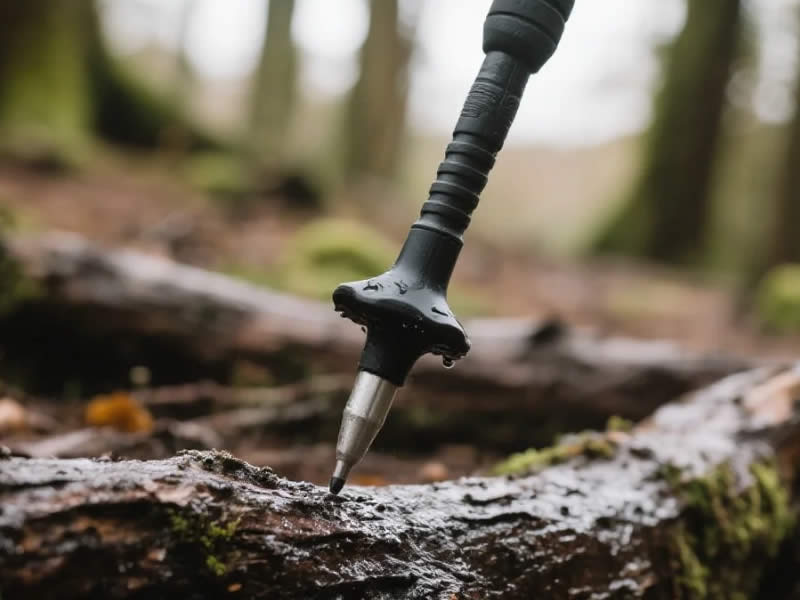
Understanding the New Forest root hazard
The New Forest is a lowland area with a high water table. Its sandy, acidic soils and humid climate create perfect conditions for moss and lichen to thrive on exposed tree roots. These biological coatings, combined with the natural oils released by decaying leaf litter, form a greasy film that is notoriously slippery. When it rains—and it often does—this film becomes a lubricant that reduces friction dramatically. The roots are also often rounded and polished by foot traffic, making them even more treacherous.
The clear winner: sharp carbide tips
After extensive testing and feedback from New Forest regulars, the consensus is unequivocal: a sharp carbide tip is the best choice for wet, greasy roots. Here's why.
1. They bite, rather than slide
A carbide tip is extremely hard and comes to a sharp point. When you plant it on a wet root, the point creates a high‑pressure contact area that penetrates the surface layer of moss, algae, and moisture. Instead of sliding across the surface like a rubber ferrule, the carbide tip finds the wood underneath and grips it. This micro‑penetration provides a positive, reliable anchor even on the slickest surfaces.
2. They are self‑cleaning in use
Unlike rubber, which can pick up mud and debris that reduces its grip, carbide tips tend to push aside surface detritus and find clean purchase. They don't become progressively slipperier as you walk.
3. They work on multiple surfaces
On the New Forest trails, you're moving constantly between mud, gravel, grass, and roots. A carbide tip handles all of these well. Rubber ferrules, by contrast, can become dangerously slippery on mud or grass after picking up a film of moisture.
4. Durability
Carbide tips last much longer than rubber. In the New Forest's abrasive, gravelly soil, rubber ferrules wear down quickly, becoming flat and even less effective. Carbide maintains its pointed profile for many miles.
The crucial detail: tip sharpness
A carbide tip that is worn, rounded, or chipped will not perform well on wet roots. A rounded tip behaves more like a ball bearing, skidding across the surface. For the New Forest, you need a tip that is:
- Sharp – a distinct, pointed profile.
- Multi‑faceted – some tips have two or three facets that create a pyramid‑like shape; these provide even better penetration on hard surfaces.
- Replaceable – because you will need to replace them periodically.
Actionable advice: Before your New Forest walk, inspect your carbide tips. If they look rounded or have lost their point, sharpen them with a diamond file (hold at 45° and file each facet lightly) or replace them with new ones. This is a cheap and easy fix that dramatically improves safety.
Why rubber ferrules are not recommended
Rubber ferrules (the caps that fit over the carbide tip) are designed for walking on hard, non‑abrasive surfaces like pavements and roads. They provide a quiet, gentle grip on smooth, dry surfaces. However, on wet, greasy tree roots, they are dangerously inadequate. The rubber compound simply cannot penetrate the slick film; it skids across the surface, offering little to no grip. You might not notice this on flat ground, but the moment you plant a pole on a sloped, root‑crossed section, the slip can be sudden and complete, leading to a loss of balance.
Exception: If you're walking a section of paved path (e.g., through a village), it's fine to use rubber ferrules for that stretch. But remove them as soon as you hit the woodland trails. Many walkers carry a pair of rubber caps in their pack and switch them on and off as needed.
The art of planting on roots
Even with the best tip, your planting technique makes a big difference:
- Plant firmly, with a downward push: On a wet, greasy root, you need to push the tip into the surface with some force. A light, tentative plant will skid; a firm, confident plant bites in.
- Plant at a slight backward angle: Plant the pole slightly behind you and lean into it. This increases the downward force and helps the tip penetrate.
- Avoid planting on the very crest of the root: The sides of a root often have more texture and are less polished. Planting slightly off‑centre can give better grip.
- Use a quick, vertical lift: When you lift the pole, pull it straight up. Twisting or dragging can destabilise the tip and pull it out of the root.
What about carbide variants?
Some pole manufacturers offer carbide tips with specific profiles:
- Straight‑cut carbide: The classic sharp point—works well on most surfaces.
- Pyramid or faceted tips: Have multiple cutting faces; they tend to grip better on hard, polished surfaces like roots.
- Tungsten carbide with a larger, flared base: Provides extra lateral support and reduces the chance of the tip bending sideways.
For the New Forest, a standard sharp, faceted carbide tip is ideal. Some walkers prefer the "micro‑spikes" style tips that have a more aggressive point, but these are often overkill for the relatively soft wood of the forest.
Maintenance and care after a wet walk
After a day in the New Forest's damp, acidic soil, clean your tips:
- Rinse with fresh water to remove soil and moss.
- Dry thoroughly to prevent corrosion of the steel/brass collar.
- Check sharpness – if the tip is rounded, file it or replace it.
- Inspect for damage – look for chips or cracks in the carbide.
Final verdict
For wet, greasy tree roots in the New Forest, the best tip is a sharp, carbide tip—preferably with a faceted or multi‑point profile. It penetrates the slick surface, provides reliable grip, and lasts longer than any rubber alternative. Rubber ferrules, while useful on pavements, are a safety hazard on roots and should be avoided. Combine the right tip with a firm planting technique and regular maintenance, and you'll stride through the New Forest's root‑crossed trails with confidence and security. Happy walking!




