




Are aluminium poles better than carbon for withstanding UK’s damp, rainy climate?
The UK's reputation for damp, rainy weather is well‑earned. From the misty moors of Dartmoor to the rain‑soaked fells of the Lake District, hikers in Britain face persistent moisture that tests every piece of gear. When it comes to trekking poles, a common debate is whether aluminium or carbon fibre stands up better to these wet conditions. The short answer is yes, aluminium poles are generally better suited to the UK's damp, rainy climate—and here's a detailed breakdown of why.
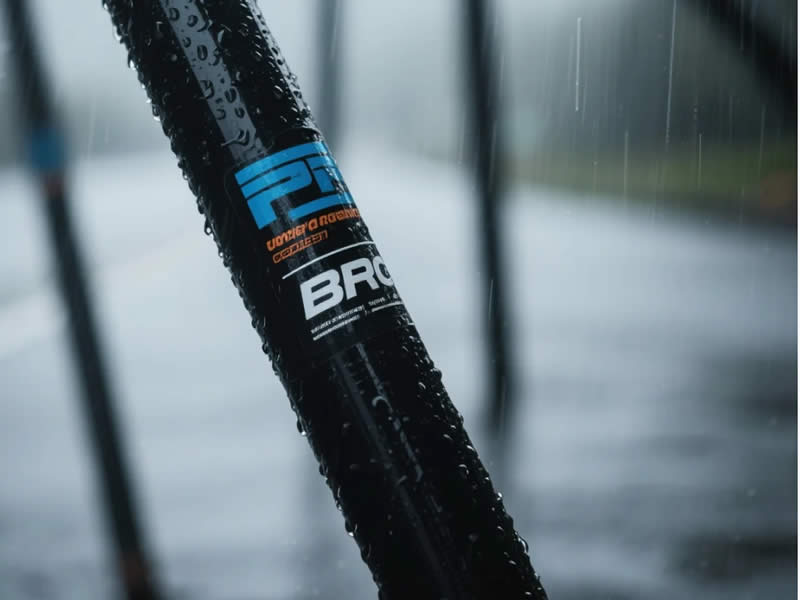
The moisture problem: what happens to poles in wet conditions?
Prolonged exposure to rain and humidity affects both materials, but in different ways:
- Aluminium is a metal that does not absorb water. Its surface can oxidise (forming a thin, protective layer), but modern poles are anodised, which makes them highly resistant to corrosion. The main risk with aluminium in wet conditions is not the material itself, but the moving parts—locks, screws, and springs—which can rust if not properly maintained.
- Carbon fibre is a composite material made of carbon fibres embedded in an epoxy resin matrix. While the carbon fibres themselves are waterproof, the resin binder can be compromised by prolonged exposure to moisture. Over time, water can penetrate microscopic cracks or the interface between fibres and resin, leading to delamination—the layers separate, and the pole loses its structural integrity. This is a particular concern in the UK's constant dampness, where poles never fully dry out between walks.
Aluminium: the pragmatic choice for wet climates
1. Corrosion resistance with proper care
7075‑T6 aluminium, the alloy used in most high‑quality poles, is highly corrosion‑resistant. The anodised surface provides a durable barrier against moisture. Even if the anodised layer is scratched, aluminium forms a natural oxide film that stops further corrosion. With basic maintenance—rinsing and drying after wet walks—aluminium poles can last for decades in the UK climate.
2. Resilience to impact
In wet, slippery conditions, falls are more common. Aluminium poles are forgiving: they bend rather than shatter. If you take a fall and your pole is bent, you can often straighten it enough to continue your walk. Carbon fibre, by contrast, may fracture without visible warning, and a broken pole can leave you without support on a remote hillside.
3. No moisture absorption
Aluminium is impermeable. It doesn't swell, weaken, or change properties when wet. This means the pole's performance remains consistent regardless of the weather—a critical factor when you're navigating boggy, slippery terrain.
4. Compatibility with wet‑weather accessories
Aluminium poles are often paired with cork grips, which perform exceptionally well in damp conditions (they wick moisture and stay comfortable). They also accommodate a wide range of baskets and tips, allowing you to tailor your poles to muddy, boggy, or root‑covered trails common in the UK.
Carbon fibre: lighter but more vulnerable
Carbon fibre poles are prized for their light weight—often 50‑100 grams lighter per pole than aluminium. This can be a significant advantage on long, multi‑day treks where every gram counts. However, in the UK's damp climate, they come with several drawbacks:
1. Moisture sensitivity
The epoxy resin that binds carbon fibres can be weakened by constant exposure to moisture, especially if the outer layer is scratched. Over time, water ingress can lead to delamination, where the fibres separate from the resin. This is not always visible until the pole suddenly fails, often under load.
2. Fragility on impact
Carbon is brittle. A sharp blow against a rock or a sudden twist in a bog can cause a crack that propagates without warning. In the UK's rocky and root‑filled trails, this risk is not negligible.
3. Cost of failure
Replacing a carbon pole is more expensive than replacing an aluminium one. If you walk regularly in wet conditions, the higher risk of damage means you may end up spending more on replacements.
The lock mechanism factor
Regardless of material, the locking mechanism is the most vulnerable part of any pole in wet conditions. Twist‑locks, in particular, can trap moisture and grit, leading to corrosion or jamming. Flick‑locks (lever‑locks) are far more resilient in damp weather because they are external, easy to clean, and less prone to moisture ingress. Both aluminium and carbon poles can be fitted with flick‑locks, but aluminium poles tend to have a wider range of affordable, reliable models with these locks.
Real‑world experience
Many UK‑based walkers, guides, and gear testers report that aluminium poles outperform carbon in the long run for regular damp‑weather walking. While carbon is favoured for summer Alpine treks or long‑distance, low‑impact walks, aluminium is the go‑to for the UK's year‑round conditions. The peace of mind that comes with a pole that won't suddenly snap—and can be straightened if bent—outweighs the slight weight penalty for most hikers.
Maintenance tips for wet‑weather poles
Whichever material you choose, good maintenance is essential in the UK's damp climate:
- Rinse with fresh water after every wet walk to remove grit and salt.
- Dry thoroughly before storing, with locks open to allow moisture to evaporate.
- Lubricate moving parts with a dry lubricant or a tiny drop of light oil on pivot points.
- Inspect regularly for signs of wear, especially on carbon poles for any cracks or white stress marks.
The verdict
For the UK's damp, rainy climate, aluminium poles are the more reliable and durable choice. They resist corrosion, withstand impacts better, and don't suffer from moisture‑related delamination. While carbon fibre poles are lighter, their vulnerability to moisture and impact makes them less suited to the challenging, wet conditions that British walkers face regularly. Aluminium, with proper care, will serve you faithfully through countless rainy days and muddy trails. Choose aluminium, and walk with confidence.




