




How to lubricate the twist mechanism to stop the grinding noise?
A grinding noise from your trekking pole's twist‑lock mechanism is not just an annoyance – it is a warning. That harsh, gritty sound means that internal components are rubbing against each other without proper lubrication, or worse, that abrasive particles are grinding away at the threads and bushings. Left untreated, this will lead to premature wear, slipping locks, and eventually, a collapsed pole on a critical descent. The good news: you can usually silence the grind and restore smooth operation with a simple, step‑by‑step lubrication routine. In this comprehensive guide, we will walk you through exactly how to do it – from disassembly to reassembly – using the right materials and techniques.
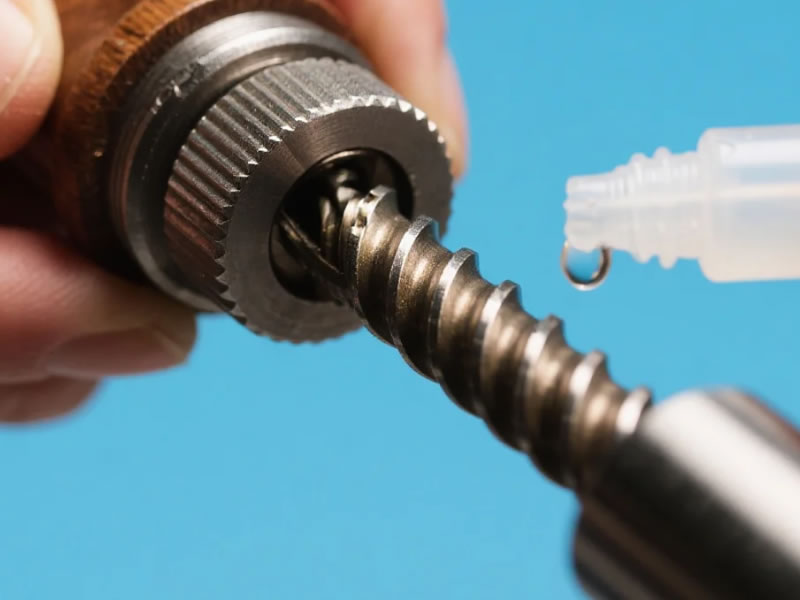
Understanding the Twist‑Lock Mechanism
Before you reach for the lubricant, it helps to understand what you are working with. A typical twist‑lock (used by Leki, Komperdell, and many budget brands) consists of three main parts:
- The outer collar – the textured sleeve you grip and rotate.
- The expander assembly – a threaded plug with split segments that spreads outward when the collar is tightened.
- The inner shaft – the tube that slides inside the outer section.
When you twist the collar clockwise, the expander compresses, wedging the split segments against the inner wall of the outer shaft. This locks the sections in place. Over time, dirt, dried sweat, and general wear cause friction between the threads and the expander, producing that distinctive grinding sensation. Lubrication reduces this friction, making the mechanism operate smoothly and prolonging its life.
What NOT to Use – And Why
The choice of lubricant is critical. Many hikers reach for WD‑40 or a standard multi‑purpose oil, but these are the wrong choice. Petroleum‑based oils attract dust and grit, which will quickly turn your clean lubricant into an abrasive paste, accelerating wear. They can also degrade plastic bushings and swell rubber seals. Similarly, heavy greases are too thick – they prevent the expander from moving freely and can make the lock slip.
Avoid at all costs:
- WD‑40 (as a lubricant – it is a solvent/degreaser, not a lubricant).
- Cooking oils (they go rancid and become sticky).
- Motor oils or thick bearing greases.
- Spray lubricants with silicone (unless specified as plastic‑safe and dry).
What Works Best – The Right Lubricants
The safest and most effective lubricants for twist‑lock mechanisms are:
- Silicone grease – a light, plastic‑safe grease (e.g., for diving equipment or bike suspension). It provides excellent lubrication without attracting dirt.
- Graphite powder – a dry lubricant that is completely inert and works well in dusty environments.
- PTFE (Teflon) spray – applied lightly and allowed to dry before reassembly.
- Specialist trekking‑pole lubricants – some brands sell dedicated products (e.g., Leki’s own maintenance kit).
For most users, a small tube of silicone grease is the best investment – it costs a few pounds and lasts for years.
Step‑by‑Step Lubrication Procedure
Follow this process carefully – do not rush, as a clean mechanism is essential for a lasting fix.
Step 1: Disassemble the Twist‑Lock
- Fully extend the pole, then unscrew the twist‑lock collar completely until it separates from the shaft.
- Remove the inner expander assembly – it may come out attached to the collar or stay inside the outer tube. Gently tap the pole if necessary to free it.
- You should now have three components: the outer shaft, the inner shaft, and the expander/collar assembly.
Step 2: Clean All Surfaces Thoroughly
- Use a soft cloth or paper towel to wipe all threads and surfaces.
- For stubborn dirt, dampen the cloth with isopropyl alcohol (rubbing alcohol) – this evaporates quickly and leaves no residue.
- Pay special attention to the threaded sections and the expander’s split segments – these are the primary friction points.
- Allow everything to dry completely – any residual solvent will dilute the lubricant.
Step 3: Apply Lubricant – Sparingly
- For silicone grease: Dab a very small amount (about the size of a grain of rice) onto your fingertip. Spread it thinly over the threads of the expander assembly and the internal threads of the collar. Do not apply grease to the outer surfaces of the expander segments – those need friction to grip the shaft.
- For graphite powder: Dip a soft brush or cotton swab into the powder and dust it lightly over the threads. Tap off excess.
- For PTFE spray: Spray a short burst into a small container, then use a brush to apply a thin film to the threads.
Crucial rule: Less is more – excess lubricant will seep into the shaft, attract dirt, and cause slipping. You should barely see the lubricant; it should feel smooth, not oily.
Step 4: Reassemble and Test
- Slide the inner shaft back into the outer section.
- Screw the collar and expander onto the threads by hand – do not force it.
- Extend the pole to your desired length and tighten the twist‑lock firmly.
- Press down on the pole to test the lock – it should hold firmly and rotate with a smooth, consistent action.
Step 5: Wipe Away Excess
- Any lubricant that squeezes out during tightening should be wiped off immediately with a dry cloth.
What If the Grinding Persists?
If you have cleaned and lubricated correctly but the grinding noise continues, the issue may be mechanical wear rather than friction:
- Worn expander bushings – the plastic or nylon bushings that centre the expander can become flattened or cracked. They need replacement.
- Stripped threads – if the collar threads are stripped, no lubricant will help. Replace the collar or the entire upper section.
- Deformed shaft – a bent inner tube will cause uneven pressure and a grinding feel. Straighten or replace.
In these cases, consult the manufacturer’s spare parts service or visit a gear repair shop.
How Often Should You Lubricate?
As a general rule:
- After every 50–100 miles of use on dry trails.
- After any wet or muddy hike – moisture can wash away lubricant and introduce grit.
- Whenever you feel increased resistance or hear the grinding sound returning.
A quick clean and re‑lube takes less than 10 minutes and is excellent preventive maintenance.
Alternative: Dry Lubrication for Dusty Environments
If you hike mostly in deserts or on sandy trails, consider using only graphite powder or dry PTFE. These do not attract dust, making them superior in arid conditions. Avoid silicone grease in sandy areas – it acts like a magnet for particles.
Common Mistakes to Avoid
- Over‑lubricating – this is the number one error. Too much grease prevents the expander from gripping, causing the pole to slip.
- Using the wrong lubricant – as discussed, oil‑based products are harmful.
- Skipping the cleaning step – lubing over dirt simply grinds the abrasive particles deeper into the threads.
- Reassembling while wet – moisture can cause corrosion and reduce lubricant effectiveness.
The Final Word
A grinding twist‑lock mechanism is a fixable problem, not a death sentence for your pole. With the right lubricant – silicone grease or graphite powder – and a careful cleaning, you can restore smooth, silent operation and extend the life of your poles for many more miles. Remember: clean first, lube sparingly, and test thoroughly. If the grinding persists after proper maintenance, investigate for worn parts. A well‑maintained pole is a safe pole, and a silent one is a happy one. Now get out there and enjoy the quiet trail.




