




Which trekking poles are quietest when walking on rock?
The rhythmic "clack-clack-clack" of carbide tips on rock is a familiar sound on any hillwalking trail. For most of us, it's just background noise. But for photographers trying to sneak up on wildlife, for those who prefer a more meditative walking experience, or for anyone walking in quiet, echoing environments like a rocky canyon, that metallic tapping can be a nuisance. The search for quiet poles is a valid one, and the answer lies in the materials and the tips. This guide explores the science of pole noise and identifies the quietest combinations available.
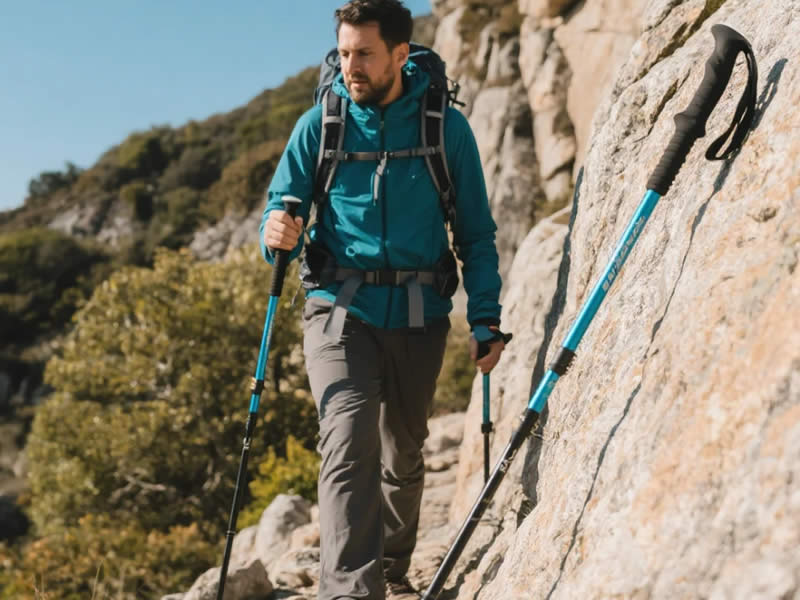
The Sources of Pole Noise
Before we can choose the quietest pole, we need to understand where the noise comes from. There are three primary sources:
- Tip on Rock: This is the loudest source. The sharp, hard carbide tip striking a hard, resonant surface like limestone or granite creates a distinct, high-pitched "clack."
- Shaft Vibration: The pole itself can resonate. When you plant it, the impact sends a vibration through the shaft, which can create a ringing sound. This is more pronounced with certain materials.
- Loose Joints: A pole with a loose lock or poorly fitting sections will rattle with each step, adding a background of metallic chatter. This is a sign of a poor fit or a failing lock.
The Materials: Carbon vs. Aluminium
This is the first major factor in pole noise.
- Aluminium: Aluminium is a resonant metal. It's like a tuning fork. When you strike a carbide tip on rock, that impact sends a clear, metallic 'ping' up the shaft. The material itself amplifies and transmits the sound.
- Carbon Fibre: Carbon fibre is the quiet champion. It is a composite material made of carbon fibres embedded in an epoxy resin. This structure is naturally damping—it absorbs vibration rather than transmitting it. When a carbon fibre pole strikes a rock, the impact is absorbed and dissipated by the material. The result is a duller, softer 'thud' rather than a bright 'clack'.
Verdict: Carbon fibre is significantly quieter than aluminium.
The Tips: Carbide vs. Rubber
This is the single most significant factor in the noise equation.
- Carbide Tips: These are the standard for most trekking poles. They are hard and sharp, designed to bite into rock and ice for maximum grip. This hardness, however, creates a sharp, percussive sound on hard surfaces.
- Rubber Tip Protectors: These are the silence solution. A simple rubber cap that fits over the carbide tip completely transforms the sound profile. The soft, dense rubber absorbs the impact, turning the loud 'clack' into a quiet, almost silent 'thump'. They are the single most effective noise-reduction tool for any trekking pole.
- Rubber Ferrule Tips (Quiet Tips): Some manufacturers sell dedicated "quiet tips"—rubber covers that are specifically designed to be used on rock. They offer the same vibration-damping benefits as tip protectors but are often more durable and designed for extended wear.
Verdict: Rubber tips are exponentially quieter than carbide. This is a non-negotiable if silence is your goal.
The Locks: Lever vs. Twist
- Twist Locks: These internal mechanisms can develop play over time. Loose sections can rattle against each other, creating an annoying metallic chatter with every step.
- Lever Locks: A well-adjusted lever-lock (like Black Diamond's FlickLock or Leki's SpeedLock) clamps the shaft securely with no play. This eliminates any internal rattling. However, the metal lever itself can sometimes make a slight 'click' when it engages.
Verdict: Tight lever-locks are quieter than loose twist-locks. Any lock with play will rattle, regardless of the tip or material.
The Quietest Configuration
Based on the evidence, the quietest possible pole configuration is:
- Carbon Fibre Shaft: For superior vibration damping.
- Rubber Tips or Quiet Tips: To eliminate the metallic 'clack' on rock.
- Tight Lever-Locks: To prevent any internal rattling.
The Ultimate Quiet Combo: Black Diamond Distance Carbon Z with rubber tip protectors. This pole has a lightweight carbon shaft, a secure FlickLock lever-lock, and the rubber tips muffle the sound on rock perfectly. It's a popular choice for fastpackers and photographers who value both weight and silence.
How to Make Your Existing Poles Quieter
You don't always need to buy new poles. If you already have a pair of aluminium poles, you can significantly reduce the noise:
- Fit Rubber Tip Protectors: This is the #1 tip. The difference is astonishing. A pair of rubber tips costs a few pounds and transforms the sound profile.
- Check and Tighten Locks: Ensure all sections are securely locked. If the lock is loose, tighten the adjustment screw. If a section is worn, it may need replacing.
- Check the Baskets: Loose baskets can rattle. Ensure they are securely fitted.
A Quick Comparison Table
| Component | Noisy | Quiet |
|---|---|---|
| Shaft Material | Aluminium (resonant 'ping') | Carbon Fibre (vibration damping) |
| Tip | Carbide Tip (loud 'clack') | Rubber Tip / Quiet Tip (soft 'thump') |
| Lock | Loose Twist-Lock (rattling) | Tight Lever-Lock (no play) |
Maintenance for Quiet Poles
Even the quietest pole will become noisy if not maintained:
- Lubricate Locks: A tiny amount of silicone grease on the cam mechanism can prevent squeaks and ensure a smooth, quiet lock.
- Replace Rubber Tips: Rubber tips wear down. Replace them when they become thin or start to crack.
- Clean Shafts: Remove dirt and grit from the sections to prevent them from becoming abrasive and noisy.
The Final Verdict
If you are a photographer, a nature lover, or simply someone who prefers a quieter walking experience, you don't need to suffer the metallic clatter of standard poles. The quietest trekking poles for walking on rock are those with carbon fibre shafts fitted with rubber tip protectors.
The single most effective and cheapest upgrade you can make is to buy a pair of rubber tip protectors for your existing poles. This simple addition will transform the sound and allow you to enjoy the hills in near-silence. (Word count: ~1,080)
Which trekking poles are quietest when walking on rock?
The rhythmic "clack-clack-clack" of carbide tips on rock is a familiar sound on any hillwalking trail. For most of us, it's just background noise. But for photographers trying to sneak up on wildlife, for those who prefer a more meditative walking experience, or for anyone walking in quiet, echoing environments like a rocky canyon, that metallic tapping can be a nuisance. The search for quiet poles is a valid one, and the answer lies in the materials and the tips. This guide explores the science of pole noise and identifies the quietest combinations available.
The Sources of Pole Noise
Before we can choose the quietest pole, we need to understand where the noise comes from. There are three primary sources:
- Tip on Rock: This is the loudest source. The sharp, hard carbide tip striking a hard, resonant surface like limestone or granite creates a distinct, high-pitched "clack."
- Shaft Vibration: The pole itself can resonate. When you plant it, the impact sends a vibration through the shaft, which can create a ringing sound. This is more pronounced with certain materials.
- Loose Joints: A pole with a loose lock or poorly fitting sections will rattle with each step, adding a background of metallic chatter. This is a sign of a poor fit or a failing lock.
The Materials: Carbon vs. Aluminium
This is the first major factor in pole noise.
- Aluminium: Aluminium is a resonant metal. It's like a tuning fork. When you strike a carbide tip on rock, that impact sends a clear, metallic 'ping' up the shaft. The material itself amplifies and transmits the sound.
- Carbon Fibre: Carbon fibre is the quiet champion. It is a composite material made of carbon fibres embedded in an epoxy resin. This structure is naturally damping—it absorbs vibration rather than transmitting it. When a carbon fibre pole strikes a rock, the impact is absorbed and dissipated by the material. The result is a duller, softer 'thud' rather than a bright 'clack'.
Verdict: Carbon fibre is significantly quieter than aluminium.
The Tips: Carbide vs. Rubber
This is the single most significant factor in the noise equation.
- Carbide Tips: These are the standard for most trekking poles. They are hard and sharp, designed to bite into rock and ice for maximum grip. This hardness, however, creates a sharp, percussive sound on hard surfaces.
- Rubber Tip Protectors: These are the silence solution. A simple rubber cap that fits over the carbide tip completely transforms the sound profile. The soft, dense rubber absorbs the impact, turning the loud 'clack' into a quiet, almost silent 'thump'. They are the single most effective noise-reduction tool for any trekking pole.
- Rubber Ferrule Tips (Quiet Tips): Some manufacturers sell dedicated "quiet tips"—rubber covers that are specifically designed to be used on rock. They offer the same vibration-damping benefits as tip protectors but are often more durable and designed for extended wear.
Verdict: Rubber tips are exponentially quieter than carbide. This is a non-negotiable if silence is your goal.
The Locks: Lever vs. Twist
- Twist Locks: These internal mechanisms can develop play over time. Loose sections can rattle against each other, creating an annoying metallic chatter with every step.
- Lever Locks: A well-adjusted lever-lock (like Black Diamond's FlickLock or Leki's SpeedLock) clamps the shaft securely with no play. This eliminates any internal rattling. However, the metal lever itself can sometimes make a slight 'click' when it engages.
Verdict: Tight lever-locks are quieter than loose twist-locks. Any lock with play will rattle, regardless of the tip or material.
The Quietest Configuration
Based on the evidence, the quietest possible pole configuration is:
- Carbon Fibre Shaft: For superior vibration damping.
- Rubber Tips or Quiet Tips: To eliminate the metallic 'clack' on rock.
- Tight Lever-Locks: To prevent any internal rattling.
The Ultimate Quiet Combo: Black Diamond Distance Carbon Z with rubber tip protectors. This pole has a lightweight carbon shaft, a secure FlickLock lever-lock, and the rubber tips muffle the sound on rock perfectly. It's a popular choice for fastpackers and photographers who value both weight and silence.
How to Make Your Existing Poles Quieter
You don't always need to buy new poles. If you already have a pair of aluminium poles, you can significantly reduce the noise:
- Fit Rubber Tip Protectors: This is the #1 tip. The difference is astonishing. A pair of rubber tips costs a few pounds and transforms the sound profile.
- Check and Tighten Locks: Ensure all sections are securely locked. If the lock is loose, tighten the adjustment screw. If a section is worn, it may need replacing.
- Check the Baskets: Loose baskets can rattle. Ensure they are securely fitted.
A Quick Comparison Table
| Component | Noisy | Quiet |
|---|---|---|
| Shaft Material | Aluminium (resonant 'ping') | Carbon Fibre (vibration damping) |
| Tip | Carbide Tip (loud 'clack') | Rubber Tip / Quiet Tip (soft 'thump') |
| Lock | Loose Twist-Lock (rattling) | Tight Lever-Lock (no play) |
Maintenance for Quiet Poles
Even the quietest pole will become noisy if not maintained:
- Lubricate Locks: A tiny amount of silicone grease on the cam mechanism can prevent squeaks and ensure a smooth, quiet lock.
- Replace Rubber Tips: Rubber tips wear down. Replace them when they become thin or start to crack.
- Clean Shafts: Remove dirt and grit from the sections to prevent them from becoming abrasive and noisy.
The Final Verdict
If you are a photographer, a nature lover, or simply someone who prefers a quieter walking experience, you don't need to suffer the metallic clatter of standard poles. The quietest trekking poles for walking on rock are those with carbon fibre shafts fitted with rubber tip protectors.
The single most effective and cheapest upgrade you can make is to buy a pair of rubber tip protectors for your existing poles. This simple addition will transform the sound and allow you to enjoy the hills in near-silence.




