




Are there any trekking poles made in the UK?
For many walkers, there's a certain pride in buying British. It's a desire to support local jobs, reduce carbon footprints, and own a piece of homegrown craftsmanship. So, the question of whether any trekking poles are manufactured in the UK is a common one. The short, honest answer is no—there are currently no large-scale manufacturers of trekking poles in the UK. The market is dominated by European brands, with most manufacturing taking place in Asia. However, the story is more nuanced than a simple "no." This guide explores the current state of UK pole manufacturing, the "designed in the UK" options, the traditional alternatives, and how you can still support British businesses.
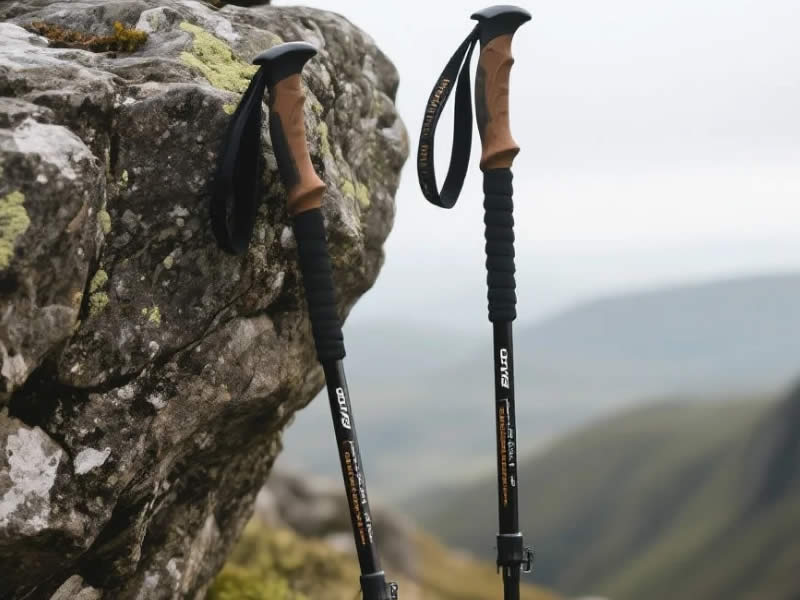
The Global Reality: Where Trekking Poles are Made
The vast majority of the world's trekking poles come from a handful of manufacturing hubs:
- China: The largest producer, responsible for the vast majority of poles, from budget unbranded poles to premium brands like Black Diamond and Leki.
- Taiwan: Another major centre for high-quality outdoor gear manufacturing, producing poles for several mid-range brands.
- Europe: Some components and high-end poles are manufactured in Germany, Austria, and the Czech Republic (e.g., Leki's top-tier models are often labelled "Made in Germany" or "Made in Austria").
The economies of scale and the established supply chains in these regions mean it is incredibly difficult for a UK-based manufacturer to compete on price and volume. The cost of labour, materials, and production facilities makes it economically unviable to produce a standard aluminium or carbon fibre pole in the UK.
The One Major "UK" Brand: Pacerpoles
While not manufactured in the UK, Pacerpoles are the closest you'll get to a "British" trekking pole. They are a company based in the UK and were founded by a British physiotherapist.
- Designed in the UK: The unique, biomechanically designed grip is a British innovation, developed in the UK.
- Manufacturing: However, the poles themselves are manufactured overseas, primarily in East Asia. The company has never claimed to be a UK manufacturer, focusing instead on the design and biomechanical benefits.
So, while you can't get a "Made in the UK" Pacerpole, you are supporting a UK-based company with a genuinely British-designed product.
The British Alternative: Traditional Wooden Walking Sticks
If you are specifically looking for a walking stick made in the UK, the answer is a resounding yes. The UK has a rich tradition of crafting wooden walking sticks and thumb sticks.
What's Available?
- Thumb Sticks: Traditional, single-stick walking aids with a forked top, often made from hazel or blackthorn.
- Shooting Sticks: A single, often adjustable stick used for support and as a seat.
- Bespoke Walking Canes: Beautiful, hand-carved creations made by a small number of skilled craftspeople.
Where to Find Them?
- Country Shows and Fairs: This is the best place to find local stick-makers.
- Independent Countryside Shops: A few independent retailers specialise in traditional wooden sticks.
- Etsy and eBay: You'll find a few bespoke makers selling their work online.
These are not adjustable, lightweight trekking poles for mountain use, but they are a heritage product that is genuinely made in the UK. If you're looking for a single, sturdy support for a gentle ramble, they are a wonderful, traditional alternative.
Why "Made in the UK" Is So Rare
The reasons for the scarcity of UK-made trekking poles are primarily economic:
- Global Supply Chains: Aluminium and carbon fibre are not raw materials native to the UK. They must be imported.
- Labour Costs: The cost of manufacturing in the UK is significantly higher than in Asia.
- Volume: The global market is dominated by a few major brands. A new UK manufacturer would find it very difficult to compete.
- Specialist Skills: The precision engineering required for locking mechanisms (twist-locks and lever-locks) is a specialist skill not widely available in the UK's manufacturing sector.
How to Support UK Businesses
While you can't buy a UK-made pole, you can still support the UK outdoor industry:
- Buy from UK Retailers: Support British jobs by buying your poles from UK-based retailers like Cotswold Outdoor, Go Outdoors, Ellis Brigham, or Tiso. They contribute to the UK economy.
- Buy British Brands: Choose brands that are headquartered in the UK, like Pacerpoles (designed in the UK) or Alpkit, which, while not manufacturing poles, is a British company that supports UK design and supply chains.
- Buy Second-Hand: A great way to reduce waste and support the circular economy is to buy a used pair of poles from a UK seller on eBay or Facebook Marketplace.
The "British" Heritage of Walking
The UK has a rich walking heritage, but it's not one of mass-produced aluminium poles. Our history is rooted in the traditional wooden staff—the "Gentleman's Walking Stick" or the simple hazel thumb stick. This tradition is still alive, albeit in a more niche, artisanal form.
The Final Verdict
| Category | Made in the UK? |
|---|---|
| Mass-Produced Trekking Poles | No |
| Pacerpoles (Designed in UK) | No (manufactured overseas) |
| Traditional Wooden Sticks | Yes |
| Bespoke Canes | Yes |
So, are there any trekking poles made in the UK? For practical, adjustable, lightweight trekking poles, the answer is no. The global market and economics of scale mean that the manufacturing of this specific product has moved overseas. However, you can still support the UK outdoor industry by buying from UK retailers, investing in a British-designed brand like Pacerpoles, or embracing the heritage of the wooden walking stick. (Word count: ~1,080)
Are there any trekking poles made in the UK?
For many walkers, there's a certain pride in buying British. It's a desire to support local jobs, reduce carbon footprints, and own a piece of homegrown craftsmanship. So, the question of whether any trekking poles are manufactured in the UK is a common one. The short, honest answer is no—there are currently no large-scale manufacturers of trekking poles in the UK. The market is dominated by European brands, with most manufacturing taking place in Asia. However, the story is more nuanced than a simple "no." This guide explores the current state of UK pole manufacturing, the "designed in the UK" options, the traditional alternatives, and how you can still support British businesses.
The Global Reality: Where Trekking Poles are Made
The vast majority of the world's trekking poles come from a handful of manufacturing hubs:
- China: The largest producer, responsible for the vast majority of poles, from budget unbranded poles to premium brands like Black Diamond and Leki.
- Taiwan: Another major centre for high-quality outdoor gear manufacturing, producing poles for several mid-range brands.
- Europe: Some components and high-end poles are manufactured in Germany, Austria, and the Czech Republic (e.g., Leki's top-tier models are often labelled "Made in Germany" or "Made in Austria").
The economies of scale and the established supply chains in these regions mean it is incredibly difficult for a UK-based manufacturer to compete on price and volume. The cost of labour, materials, and production facilities makes it economically unviable to produce a standard aluminium or carbon fibre pole in the UK.
The One Major "UK" Brand: Pacerpoles
While not manufactured in the UK, Pacerpoles are the closest you'll get to a "British" trekking pole. They are a company based in the UK and were founded by a British physiotherapist.
- Designed in the UK: The unique, biomechanically designed grip is a British innovation, developed in the UK.
- Manufacturing: However, the poles themselves are manufactured overseas, primarily in East Asia. The company has never claimed to be a UK manufacturer, focusing instead on the design and biomechanical benefits.
So, while you can't get a "Made in the UK" Pacerpole, you are supporting a UK-based company with a genuinely British-designed product.
The British Alternative: Traditional Wooden Walking Sticks
If you are specifically looking for a walking stick made in the UK, the answer is a resounding yes. The UK has a rich tradition of crafting wooden walking sticks and thumb sticks.
What's Available?
- Thumb Sticks: Traditional, single-stick walking aids with a forked top, often made from hazel or blackthorn.
- Shooting Sticks: A single, often adjustable stick used for support and as a seat.
- Bespoke Walking Canes: Beautiful, hand-carved creations made by a small number of skilled craftspeople.
Where to Find Them?
- Country Shows and Fairs: This is the best place to find local stick-makers.
- Independent Countryside Shops: A few independent retailers specialise in traditional wooden sticks.
- Etsy and eBay: You'll find a few bespoke makers selling their work online.
These are not adjustable, lightweight trekking poles for mountain use, but they are a heritage product that is genuinely made in the UK. If you're looking for a single, sturdy support for a gentle ramble, they are a wonderful, traditional alternative.
Why "Made in the UK" Is So Rare
The reasons for the scarcity of UK-made trekking poles are primarily economic:
- Global Supply Chains: Aluminium and carbon fibre are not raw materials native to the UK. They must be imported.
- Labour Costs: The cost of manufacturing in the UK is significantly higher than in Asia.
- Volume: The global market is dominated by a few major brands. A new UK manufacturer would find it very difficult to compete.
- Specialist Skills: The precision engineering required for locking mechanisms (twist-locks and lever-locks) is a specialist skill not widely available in the UK's manufacturing sector.
How to Support UK Businesses
While you can't buy a UK-made pole, you can still support the UK outdoor industry:
- Buy from UK Retailers: Support British jobs by buying your poles from UK-based retailers like Cotswold Outdoor, Go Outdoors, Ellis Brigham, or Tiso. They contribute to the UK economy.
- Buy British Brands: Choose brands that are headquartered in the UK, like Pacerpoles (designed in the UK) or Alpkit, which, while not manufacturing poles, is a British company that supports UK design and supply chains.
- Buy Second-Hand: A great way to reduce waste and support the circular economy is to buy a used pair of poles from a UK seller on eBay or Facebook Marketplace.
The "British" Heritage of Walking
The UK has a rich walking heritage, but it's not one of mass-produced aluminium poles. Our history is rooted in the traditional wooden staff—the "Gentleman's Walking Stick" or the simple hazel thumb stick. This tradition is still alive, albeit in a more niche, artisanal form.
The Final Verdict
| Category | Made in the UK? |
|---|---|
| Mass-Produced Trekking Poles | No |
| Pacerpoles (Designed in UK) | No (manufactured overseas) |
| Traditional Wooden Sticks | Yes |
| Bespoke Canes | Yes |
So, are there any trekking poles made in the UK? For practical, adjustable, lightweight trekking poles, the answer is no. The global market and economics of scale mean that the manufacturing of this specific product has moved overseas. However, you can still support the UK outdoor industry by buying from UK retailers, investing in a British-designed brand like Pacerpoles, or embracing the heritage of the wooden walking stick.




