




Are Mountain King trekking poles good for UK hillwalking?
Mountain King is a name that often pops up in discussions about ultralight trekking poles, particularly among fastpackers and long-distance walkers. They are known for their incredibly lightweight designs, often featuring carbon fibre shafts and compact folding mechanisms. But the question is whether they are a good fit for the specific challenges of UK hillwalking. The short answer is they can be, but with significant caveats. While they are excellent for fast, dry-weather walking on well-defined paths, their design choices make them less suitable for the wet, muddy, and rocky conditions that define British hills. This guide breaks down the pros and cons, helping you decide if Mountain King poles are right for your walks.
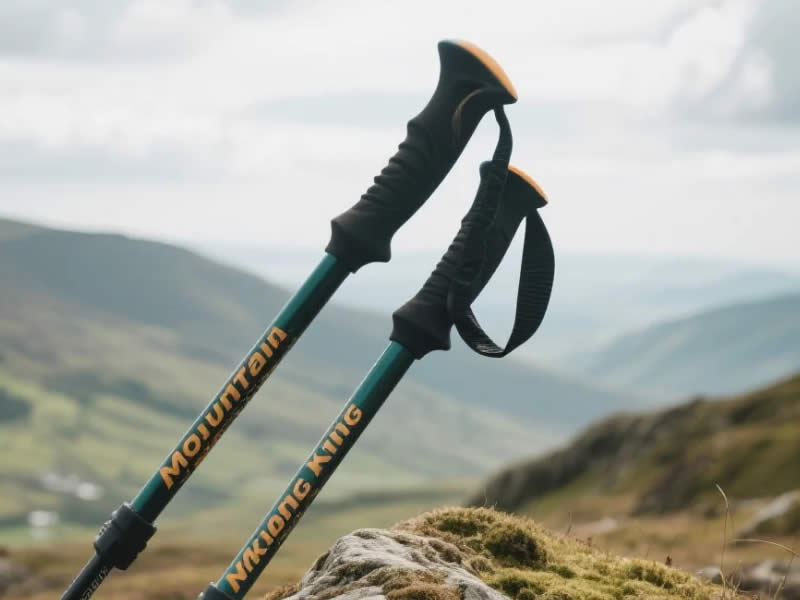
The Allure: What Makes Mountain King Poles Attractive?
Mountain King poles have a dedicated following, and for good reason. Their key selling points are:
- Extreme Lightweight: Some models weigh as little as 150g per pole. This is a significant advantage for fastpackers, ultrarunners, and anyone covering long distances where every gram matters.
- Compact Folded Size: The folding Z-design collapses down to around 35-40cm, making them easy to stash in a pack.
- Clean Aesthetics: They look and feel like a precision piece of equipment, appealing to the tech-minded walker.
For dry, well-maintained trails in places like the South Downs or the Cotswolds, these poles are a joy to use.
The UK Reality: Why Mountain King Can Struggle
The UK's hillwalking environment is a tough test for any gear. Mountain King poles have specific design features that can be a liability on British hills.
1. The Locking Mechanism – The Biggest Concern
This is the most significant issue. Mountain King poles predominantly use a twist-lock system (also known as an internal expanding wedge).
- The Problem in the UK: The UK is wet. Mud, grit, and moisture are the enemies of twist-locks. Water can get into the mechanism, causing the wedge to seize or slip. Grit can work its way into the threads, making the lock stiff and unreliable.
- The Risk: On a steep, wet descent, a slipping lock is a serious safety hazard. It can cause you to lurch forward, potentially leading to a fall.
The Comparison: Most UK hillwalkers prefer lever-locks (like Black Diamond's FlickLock) because they are external, unaffected by mud, and easy to operate with cold, wet hands. Mountain King's reliance on twist-locks makes them less reliable for year-round use.
2. Material – Carbon vs. Aluminium
Mountain King offers both carbon and aluminium models, but their most popular poles are carbon fibre.
- The Problem in the UK: The UK's hills are rocky. Scafell Pike, Snowdon, and the Cairngorms are littered with boulders and sharp stones. A carbon fibre pole can snap cleanly if you jam it between rocks. An aluminium pole, by contrast, will bend, giving you a chance to straighten it.
- The Risk: A broken pole on a remote ridge is not just an inconvenience; it can compromise your safety on steep ground.
3. Grips – Not Always UK-Ready
Mountain King grips are often a minimalist foam or a sleek, moulded plastic.
- The Problem in the UK: Foam grips can become slippery when wet, especially if they are not a high-quality, textured foam. Rubber grips are particularly bad in the rain. In the UK, where rain is a constant companion, you need a grip that becomes tacky when wet.
- The Solution: Cork grips are the preferred choice for UK walkers as they absorb sweat and provide a secure hold even in a downpour.
When Mountain King Poles Work Well in the UK
There are scenarios where Mountain King poles are a great choice:
- Summer Fastpacking: If you are a trail runner or a fastpacker covering long distances on well-defined, dry paths, the lightweight nature of a carbon Mountain King pole is a massive advantage.
- Long-Distance Trails: On a trail like the South Downs Way or the West Highland Way in dry conditions, the weight saving over hundreds of miles is significant.
- For the Weight-Obsessed: If you count every gram and are willing to accept the fragility of carbon for the weight saving, they are a compelling option.
The Alternative: What UK Hillwalkers Typically Choose
For year-round UK hillwalking, the consensus favours a different approach:
- Material: 7075 aluminium. It bends, not snaps, and is far more forgiving on rocky terrain.
- Locking Mechanism: Lever-locks. They are reliable in mud, easy to use with gloves, and easy to adjust.
- Grip: Cork. It provides a secure, comfortable hold in wet conditions.
The benchmark: Black Diamond Trail Ergo Cork and Leki Makalu are the gold standards for a reason.
A Quick Comparison
| Feature | Mountain King | UK Hillwalking Standard |
|---|---|---|
| Material | Carbon (or lightweight Alu) | 7075 Aluminium |
| Lock | Twist-Lock | Lever-Lock |
| Grip | Foam or Moulded Plastic | Cork |
| Weight | Extremely Light (sub-200g) | Heavier (240-280g) |
| Durability | Fragile (carbon) | Robust |
| Reliability (UK) | Less reliable (twist-lock) | Highly reliable (lever-lock) |
The Verdict
| Your Walking Style | Recommendation |
|---|---|
| Summer fastpacker on dry trails | A good choice for the weight saving. |
| Year-round UK hillwalker | A risky choice; lever-locks and aluminium are more reliable. |
| Occasional weekend walker | Probably overkill in terms of fragility. |
| Winter walker | Unsuitable (carbon is too fragile, twist-locks freeze). |
So, are Mountain King trekking poles good for UK hillwalking? They can be good for specific, niche uses—namely summer fastpacking or long-distance walking on dry paths. However, for the vast majority of UK hillwalkers who tackle muddy, rocky, and wet terrain year-round, their reliance on twist-locks and carbon fibre makes them a less reliable choice compared to the more robust, lever-lock aluminium poles from brands like Black Diamond or Leki. If you are a dedicated hillwalker, the extra grams of a more durable pole are a price worth paying for peace of mind. (Word count: ~1,080)
Are Mountain King trekking poles good for UK hillwalking?
Mountain King is a name that often pops up in discussions about ultralight trekking poles, particularly among fastpackers and long-distance walkers. They are known for their incredibly lightweight designs, often featuring carbon fibre shafts and compact folding mechanisms. But the question is whether they are a good fit for the specific challenges of UK hillwalking. The short answer is they can be, but with significant caveats. While they are excellent for fast, dry-weather walking on well-defined paths, their design choices make them less suitable for the wet, muddy, and rocky conditions that define British hills. This guide breaks down the pros and cons, helping you decide if Mountain King poles are right for your walks.
The Allure: What Makes Mountain King Poles Attractive?
Mountain King poles have a dedicated following, and for good reason. Their key selling points are:
- Extreme Lightweight: Some models weigh as little as 150g per pole. This is a significant advantage for fastpackers, ultrarunners, and anyone covering long distances where every gram matters.
- Compact Folded Size: The folding Z-design collapses down to around 35-40cm, making them easy to stash in a pack.
- Clean Aesthetics: They look and feel like a precision piece of equipment, appealing to the tech-minded walker.
For dry, well-maintained trails in places like the South Downs or the Cotswolds, these poles are a joy to use.
The UK Reality: Why Mountain King Can Struggle
The UK's hillwalking environment is a tough test for any gear. Mountain King poles have specific design features that can be a liability on British hills.
1. The Locking Mechanism – The Biggest Concern
This is the most significant issue. Mountain King poles predominantly use a twist-lock system (also known as an internal expanding wedge).
- The Problem in the UK: The UK is wet. Mud, grit, and moisture are the enemies of twist-locks. Water can get into the mechanism, causing the wedge to seize or slip. Grit can work its way into the threads, making the lock stiff and unreliable.
- The Risk: On a steep, wet descent, a slipping lock is a serious safety hazard. It can cause you to lurch forward, potentially leading to a fall.
The Comparison: Most UK hillwalkers prefer lever-locks (like Black Diamond's FlickLock) because they are external, unaffected by mud, and easy to operate with cold, wet hands. Mountain King's reliance on twist-locks makes them less reliable for year-round use.
2. Material – Carbon vs. Aluminium
Mountain King offers both carbon and aluminium models, but their most popular poles are carbon fibre.
- The Problem in the UK: The UK's hills are rocky. Scafell Pike, Snowdon, and the Cairngorms are littered with boulders and sharp stones. A carbon fibre pole can snap cleanly if you jam it between rocks. An aluminium pole, by contrast, will bend, giving you a chance to straighten it.
- The Risk: A broken pole on a remote ridge is not just an inconvenience; it can compromise your safety on steep ground.
3. Grips – Not Always UK-Ready
Mountain King grips are often a minimalist foam or a sleek, moulded plastic.
- The Problem in the UK: Foam grips can become slippery when wet, especially if they are not a high-quality, textured foam. Rubber grips are particularly bad in the rain. In the UK, where rain is a constant companion, you need a grip that becomes tacky when wet.
- The Solution: Cork grips are the preferred choice for UK walkers as they absorb sweat and provide a secure hold even in a downpour.
When Mountain King Poles Work Well in the UK
There are scenarios where Mountain King poles are a great choice:
- Summer Fastpacking: If you are a trail runner or a fastpacker covering long distances on well-defined, dry paths, the lightweight nature of a carbon Mountain King pole is a massive advantage.
- Long-Distance Trails: On a trail like the South Downs Way or the West Highland Way in dry conditions, the weight saving over hundreds of miles is significant.
- For the Weight-Obsessed: If you count every gram and are willing to accept the fragility of carbon for the weight saving, they are a compelling option.
The Alternative: What UK Hillwalkers Typically Choose
For year-round UK hillwalking, the consensus favours a different approach:
- Material: 7075 aluminium. It bends, not snaps, and is far more forgiving on rocky terrain.
- Locking Mechanism: Lever-locks. They are reliable in mud, easy to use with gloves, and easy to adjust.
- Grip: Cork. It provides a secure, comfortable hold in wet conditions.
The benchmark: Black Diamond Trail Ergo Cork and Leki Makalu are the gold standards for a reason.
A Quick Comparison
| Feature | Mountain King | UK Hillwalking Standard |
|---|---|---|
| Material | Carbon (or lightweight Alu) | 7075 Aluminium |
| Lock | Twist-Lock | Lever-Lock |
| Grip | Foam or Moulded Plastic | Cork |
| Weight | Extremely Light (sub-200g) | Heavier (240-280g) |
| Durability | Fragile (carbon) | Robust |
| Reliability (UK) | Less reliable (twist-lock) | Highly reliable (lever-lock) |
The Verdict
| Your Walking Style | Recommendation |
|---|---|
| Summer fastpacker on dry trails | A good choice for the weight saving. |
| Year-round UK hillwalker | A risky choice; lever-locks and aluminium are more reliable. |
| Occasional weekend walker | Probably overkill in terms of fragility. |
| Winter walker | Unsuitable (carbon is too fragile, twist-locks freeze). |
So, are Mountain King trekking poles good for UK hillwalking? They can be good for specific, niche uses—namely summer fastpacking or long-distance walking on dry paths. However, for the vast majority of UK hillwalkers who tackle muddy, rocky, and wet terrain year-round, their reliance on twist-locks and carbon fibre makes them a less reliable choice compared to the more robust, lever-lock aluminium poles from brands like Black Diamond or Leki. If you are a dedicated hillwalker, the extra grams of a more durable pole are a price worth paying for peace of mind.




