




How to Store Hiking Poles: A Guide to Preserving Performance and Longevity
Your hiking poles are a significant investment in your comfort and safety on the trail. Just as you properly stow a tent or clean a sleeping bag, how you store your trekking poles between adventures has a direct impact on their lifespan, reliability, and performance. Improper storage can lead to frozen locks, internal cord damage, material degradation, and unexpected failures. This comprehensive guide outlines the best practices for short-term and long-term storage, ensuring your poles are always ready for the next journey.
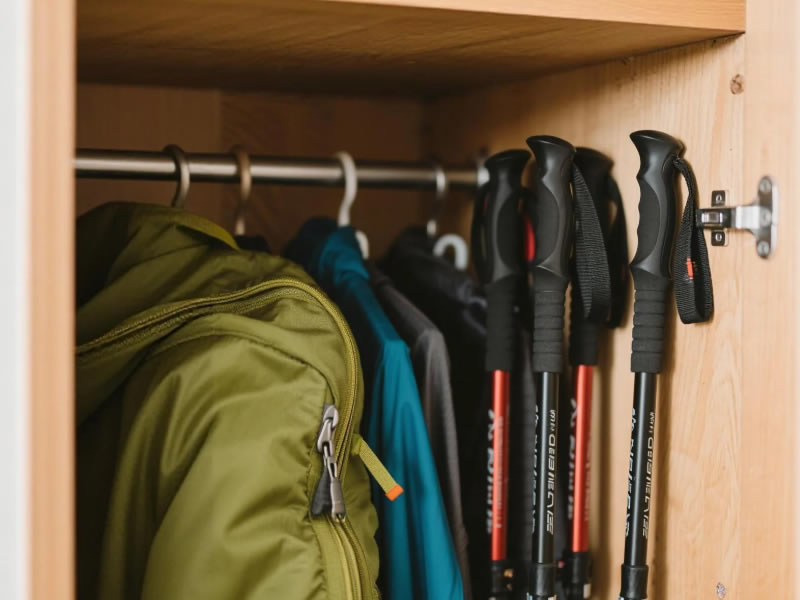
Recommended trekking pole purchase link: https://s.click.aliexpress.com/e/_c4M7OWaN
The Core Principles: Clean, Dry, and Uncompressed
Three golden rules govern proper pole storage:
- Clean: Never store poles caked in mud, dirt, or salt. Debris attracts moisture and can corrode metals and degrade plastics.
- Dry: Moisture is the enemy. It causes aluminum to corrode (oxidize), weakens cork, promotes mold in foam grips, and can freeze mechanisms.
- Uncompressed: Storing poles fully collapsed for extended periods puts constant tension on internal cords (in folding models) and stress on locking mechanisms, potentially warping components.
Step-by-Step Pre-Storage Preparation
Before placing your poles in a closet or garage, follow this essential routine:
- Clean Thoroughly: Wipe down all sections with a damp cloth. Remove the mud baskets and clean any grit from the threads. For a deep clean before off-season storage, use mild soap and water, ensuring poles are completely dry afterward.
- Dry Completely: Extend all pole sections and leave them in a well-ventilated, indoor area for 24-48 hours. This ensures any hidden moisture inside the shafts or mechanisms fully evaporates.
- Inspect and Maintain: Check the tips for wear, ensure locking mechanisms operate smoothly, and apply a small amount of dry silicone lubricant to locks if needed (wipe off excess).
Short-Term Storage (Between Weekly Hikes)
For active hikers, convenient and accessible storage is key.
- Location: A cool, dry indoor space like a closet, mudroom, or gear corner. Avoid damp basements or hot attics.
- Position: Store them fully extended or only partially collapsed. You can stand them upright in a corner, hook them over a rack, or lay them flat on a shelf. The goal is to relieve pressure from the locks and cords.
- Tip: If space is limited, collapse them only enough to fit the space, rather than compressing them to their absolute minimum length.
Long-Term & Seasonal Storage (Off-Season)
When storing poles for months, extra care prevents degradation.
- Relax All Components: Store poles fully extended. For three-section poles, you can even slightly over-extend the sections so they are not seated in the locks at all, removing all pressure.
- Loosen Locking Mechanisms: If storing fully extended, slightly loosen the locking collars to prevent them from being under constant tension.
- Climate Control: A consistent, temperate indoor environment is ideal. Avoid places with extreme temperature swings (like garages or sheds), as heat can weaken adhesives and plastics, while cold can make materials brittle.
- Protection: Consider placing them in a breathable fabric sack (like the one they came in) to protect from dust. Do not use airtight plastic bags, as they can trap residual moisture.
Special Considerations for Different Pole Types
- Folding/Z-Poles: These are most vulnerable to storage damage. Never store them fully folded. Always extend the segments to relax the powerful internal tension cords, which can stretch or degrade if left compressed.
- Carbon Fiber Poles: Avoid storing them leaning against a wall at a sharp angle or in a way that could cause a hard point of pressure (like under a heavy box), as carbon is strong but can be sensitive to point-load impacts.
- Poles with Shock Absorption: If possible, engage the shock lock to keep the spring mechanism in a neutral, unstressed state.
What NOT to Do: Common Storage Mistakes
- Don't leave them tightly collapsed in your hiking backpack for weeks.
- Don't store them wet or dirty.
- Don't leave them in a hot car, where temperatures can warp plastic locks and grips.
- Don't hang them by their straps with significant weight, which can stretch and deform the straps.
- Don't store them with baskets and rubber tips attached if the storage area is humid; it can trap moisture against the metal threads.
Quick Retrieval and Peace of Mind
Proper storage is the final, crucial step in the lifecycle of your gear maintenance. By investing a few minutes to clean, dry, and store your poles correctly, you actively prevent the most common causes of failure: corrosion, material fatigue, and mechanism seizure.
When the next trail calls, you’ll be able to grab your poles with the confidence that they will extend smoothly, lock securely, and provide the steadfast support you depend on. This simple discipline ensures that your trusty trail companions are ready for adventures for years to come.




