




Trekking Pole Anti-microbial grip materials for hygiene?
For hikers who share poles, rent equipment, or simply spend weeks on the trail without a proper cleaning, the hygiene of grip materials becomes a genuine concern. Sweat, dirt, and bacteria accumulate on trekking pole handles over time, potentially leading to odors, skin irritation, or even infections. In response, some manufacturers have introduced anti-microbial treatments into grip materials. But do these technologies actually work, and are they worth seeking out? This deep dive examines the science behind anti-microbial grip materials, their real-world effectiveness, and whether they should influence your purchasing decision.
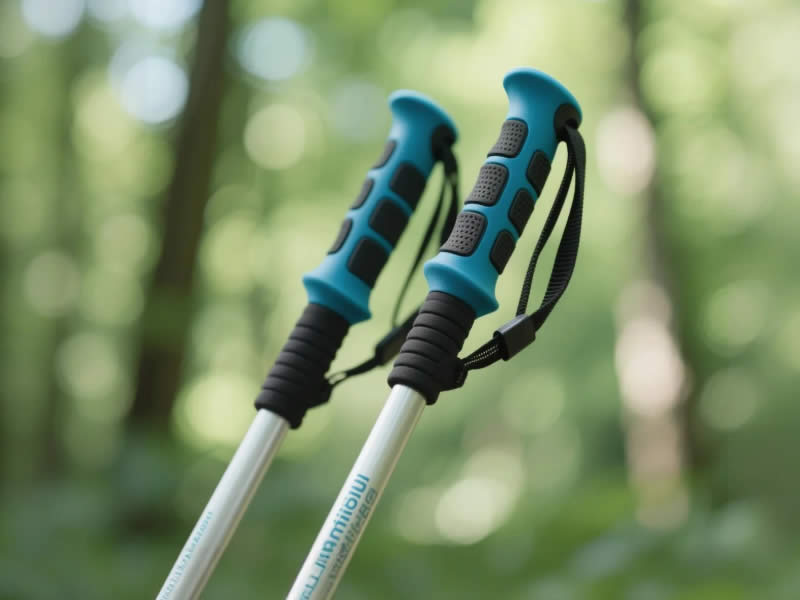
Recommended trekking pole purchase link: https://s.click.aliexpress.com/e/_c4M7OWaN
Understanding Anti-Microbial Technology in Grips
Anti-microbial grip materials are treated with substances that inhibit the growth of bacteria, fungi, and other microorganisms. The most common agents used in trekking pole grips are:
- Silver ions: Silver has natural anti-microbial properties. Silver ions disrupt bacterial cell membranes and interfere with microbial reproduction. Silver is embedded into foam, rubber, or coating layers during manufacturing.
- Copper or zinc additives: Copper and zinc compounds similarly inhibit microbial growth. These are less common in grips but appear in some specialty products.
- Biostatic treatments: Chemical additives that prevent microorganisms from reproducing without necessarily killing them.
- Natural properties: Some materials—particularly cork—have mild inherent anti-microbial characteristics due to their chemical composition (suberin, a waxy substance in cork, resists microbial attack).
How Effective Are They?
In laboratory conditions: Anti-microbial treatments are highly effective. Independent testing of silver-ion treated grips typically shows 99% or greater reduction in bacterial growth compared to untreated controls after 24 hours.
In real-world use: The effectiveness depends heavily on:
- Surface integrity: Anti-microbial properties last as long as the treated surface remains intact. Abrasion, peeling, or heavy wear can remove the active layer.
- Dirt accumulation: A layer of dirt, sweat residue, or sunscreen can physically block contact between the anti-microbial agent and new bacteria.
- Time between uses: Anti-microbial properties work best when the grip dries between uses. Constant moisture (sweat, rain) reduces efficacy.
- Treatment depth: Some treatments are surface coatings that wear off; others are embedded throughout the material and last longer.
The Natural Alternative: Cork
Cork grips deserve special mention. Cork naturally contains suberin, a waxy, hydrophobic substance that resists moisture absorption and microbial colonization. While not marketed as “anti-microbial,” cork’s inherent properties:
- Limit moisture retention (bacteria need moisture to thrive)
- Resist fungal growth
- Deter the musty odors common in synthetic grips
For hikers prioritizing hygiene without added chemicals, cork is a compelling natural option.
EVA Foam and Rubber Considerations
EVA foam: Open-cell foam grips absorb sweat and provide a warm, moist environment ideal for bacterial growth. Anti-microbial treatments in foam can be effective, but foam’s porous nature also traps dirt and organic matter that can overwhelm the treatment over time.
Rubber: Rubber grips are non-porous and easy to clean. While rubber itself is not inherently anti-microbial, its smooth surface allows for thorough wiping, which may be more effective than anti-microbial treatments on porous materials.
Real-World Hygiene Tips
Anti-microbial treatments are not a substitute for proper cleaning. For the best hygiene:
- Wipe grips after sweaty hikes: A simple wipe with a damp cloth removes sweat and dirt before bacteria multiply.
- Periodic deep cleaning: Use mild soap and water; avoid harsh chemicals that may degrade the grip material or anti-microbial treatment.
- Dry thoroughly: Store poles with grips exposed to air, not stuffed in a damp pack.
- Don’t share poles without cleaning: Anti-microbial treatments reduce but do not eliminate cross-contamination risk.
Are Anti-Microbial Grips Worth It?
| Scenario | Value of Anti-Microbial |
|---|---|
| Solo hiker, own poles | Minimal |
| Shared poles (family, group) | Moderate |
| Rental/guided trekking | Significant |
| Multi-week thru-hike | Moderate (if no cleaning access) |
| Sweaty hands prone to skin issues | Moderate |
For most individual hikers who clean their gear occasionally, anti-microbial treatments offer limited practical benefit. The primary advantage is peace of mind when poles are shared among multiple users or used in conditions where regular cleaning is impossible.
The Verdict
Anti-microbial grip materials do work—silver-ion and similar treatments effectively inhibit bacterial growth on the treated surface. However, the real-world hygiene benefits for most hikers are modest. Regular cleaning and proper drying are more impactful than passive anti-microbial properties.
If you share poles frequently, rent gear, or have specific skin sensitivities, seeking out anti-microbial grips may be worthwhile. For most solo hikers, cork’s natural properties or simply wiping down EVA foam grips after use provides adequate hygiene without the need for specialized treatments.
Clean poles are happy poles. Whether your grips are treated or not, a quick wipe after sweaty miles goes a long way.




