




Trekking poles Tip protectors for indoor use – necessary?
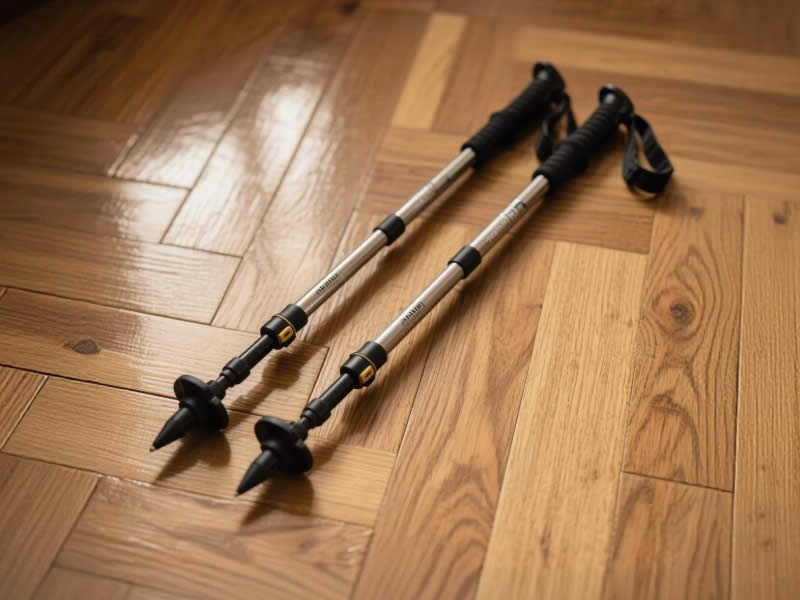
You return from a glorious hike, lean your trekking poles against the wall inside your front door, and walk away. The next morning, you notice a series of tiny, sharp divots scratched into your hardwood floor. Or perhaps you are packing for a flight, sliding your poles into a duffel bag, and later discover that the carbide tips have worn holes through your gear. These scenarios are common, and they raise a simple question: are tip protectors necessary for indoor use? The answer depends on where you store your poles, what surfaces surround you, and how much you value your floors and gear. This deep dive examines the practical reasons for using tip protectors indoors and helps you decide whether they are a necessity or an optional accessory.
Recommended trekking pole purchase link: https://s.click.aliexpress.com/e/_c4M7OWaN
What Are Tip Protectors?
Tip protectors—also called rubber tips, tip caps, or storage caps—are small covers that fit over the carbide tip of a trekking pole. They are typically made of rubber or soft plastic and are designed to be used when the poles are not in active use on trail. Unlike the rubber boots used for pavement walking (which are often left on during use), tip protectors are intended for storage, transport, and indoor walking only.
The Case for Using Tip Protectors Indoors
Floor Protection:
This is the most compelling reason. Tungsten carbide tips are exceptionally hard—second only to diamond. When a carbide tip contacts a hardwood floor, tile, laminate, or even some stone surfaces, it can leave scratches, divots, or permanent marks. The pressure of the pole leaning against a wall or being moved across the floor concentrates the full weight of the pole (and sometimes additional leaning force) onto a tiny point. That point is more than capable of marring finished surfaces.
For renters, homeowners, or anyone who values their flooring, tip protectors are inexpensive insurance against costly repairs. A $5–$10 set of protectors can prevent hundreds of dollars in floor damage.
Noise Reduction:
Carbide tips on hard indoor surfaces create a sharp, distinctive click-click-click that can be disruptive. In apartments, shared living spaces, or during early morning or late evening hours, this noise can disturb others. Rubber tip protectors mute the sound to a soft thud or eliminate it entirely.
Safety:
Exposed carbide tips pose a minor but real hazard indoors. They can:
- Scratch furniture when poles are leaned against couches or chairs
- Damage car interiors when poles are tossed into backseats or trunks
- Tear holes in duffel bags, tents, or other gear packed alongside them
- Pose a puncture risk if a pole tips over and lands tip-first on a foot
Gear Protection:
For those who travel with poles, protectors are essential. Carbide tips can abrade the inside of luggage, wear holes through backpack fabric, and damage other gear stored nearby. A simple set of tip protectors keeps your investment in both poles and luggage intact.
When Tip Protectors Are Not Necessary
Not every situation calls for tip protectors:
- Outdoor storage only: If your poles never enter the house—perhaps stored in a garage or shed with a concrete floor—floor protection is irrelevant.
- Carpeted floors: On thick carpet, carbide tips are unlikely to cause damage. Hardwood, tile, laminate, and vinyl are the vulnerable surfaces.
- Always stored tip-up: If you store poles vertically with tips in the air (in a stand or bucket), they never contact the floor.
- Dedicated storage area: If poles have a designated spot where tips rest on a rubber mat or protective surface, protectors may be redundant.
Types of Tip Protectors
| Type | Material | Best Use | Durability |
|---|---|---|---|
| Basic slip-on | Rubber | Storage, light indoor use | Good for years |
| Screw-on (interchangeable) | Rubber/plastic | Poles with interchangeable tips | Excellent |
| Hard plastic caps | Hard plastic | Travel protection only | Very durable, less cushioning |
| Soft silicone | Silicone | Noise-sensitive environments | Good, flexible |
A Note on “Indoor Use”
There is a distinction between walking indoors with poles and storing poles indoors. For actual walking indoors (physical therapy, indoor fitness walking, or navigating a large home), tip protectors designed for use—often called rubber boots or urban tips—are appropriate. These are typically more durable and designed to withstand the wear of walking. Standard storage tip protectors may wear through quickly if used for actual walking.
Cost-Benefit Analysis
| Factor | Without Protectors | With Protectors |
|---|---|---|
| Floor scratch risk | High | Near zero |
| Noise level | Loud clicking | Quiet |
| Gear damage risk | Moderate | Minimal |
| Initial cost | $0 | $5–$15 |
| Replacement cost | N/A | $5–$10 every few years |
| Time to use | 0 seconds | 5 seconds per use |
For the vast majority of hikers who bring poles indoors—especially those with hardwood, tile, or laminate flooring—tip protectors are a simple, inexpensive solution that prevents preventable damage.
The Verdict
Tip protectors are not strictly necessary for every hiker, but they are highly recommended for anyone who stores poles indoors or transports them in soft-sided luggage. The cost is minimal, the protection is significant, and the peace of mind—knowing your floors and gear are safe from carbide-tip damage—is well worth the few seconds it takes to slip them on.
If you have hardwood floors, travel with poles, or share living space with others sensitive to noise, consider tip protectors an essential accessory rather than an optional add-on. Your floors, your gear, and your housemates will thank you.
Small caps, big protection. A simple habit that saves costly repairs.




