




Digital lock status indicators on Trekking Poles?
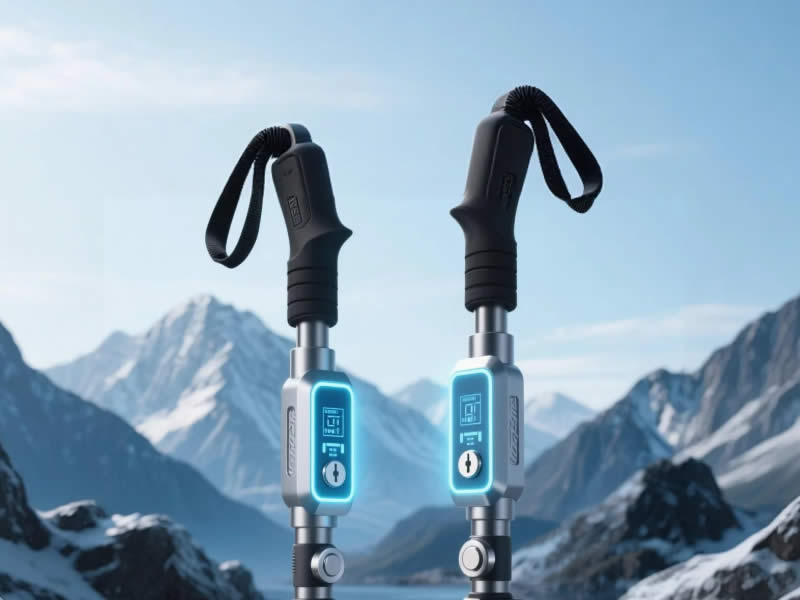
For any trekker who has experienced a sudden pole collapse mid‑stride, the importance of a secure lock is undeniable. A slipping lever or twist lock can lead to loss of balance, falls, or even injury. In response, some manufacturers and innovators have explored digital lock status indicators—small electronic displays or LED lights on the pole’s locking mechanism that confirm whether the lock is fully engaged. While the concept is clever and promises added safety, the reality is that such indicators are not yet mainstream. This article examines the idea, current availability, technical challenges, and whether you should wait for this feature or stick with proven mechanical designs.
Recommended trekking pole purchase link: https://s.click.aliexpress.com/e/_c4M7OWaN
What Would a Digital Lock Status Indicator Do?
A digital lock status indicator would provide immediate, visual confirmation that a trekking pole’s adjustment lock is properly tightened. The most common implementations are:
- LED indicator – A small light (green for locked, red for loose) embedded in the lever or near the twist lock. Some designs flash or change color as you tighten.
- Small LCD screen – Could display lock tension percentage or a simple padlock icon.
- Haptic feedback – A vibration or beep when the lock reaches the correct tightness (though this is not strictly “digital status,” it’s related).
The goal is to eliminate guesswork. With traditional locks, you rely on feel and visual inspection. A digital indicator would remove ambiguity, especially for beginners or those with reduced hand strength or sensation (e.g., due to neuropathy or gloves).
Are There Any Products on the Market?
As of 2026, no major trekking pole brand (Leki, Black Diamond, Komperdell, REI, Cascade Mountain Tech) offers a production model with digital lock status indicators. However, you may encounter:
- Prototypes – Shown at trade shows (e.g., OutDoor by ISPO) or in university engineering projects. These often use small LEDs and batteries integrated into the lever mechanism.
- DIY modifications – Some tech‑savvy users have added their own indicators using Arduino or simple coin‑cell‑powered LED circuits. Instructions exist online but require soldering and cutting into poles, voiding warranties.
- Kickstarter campaigns – A few startups have attempted to crowdfund “smart locks,” but none have reached mass production due to reliability and cost issues.
The closest commercial product is not a pole but a torque‑indicating lever used in some bicycle seatpost clamps. No one has successfully adapted this to the slim, impact‑prone environment of a trekking pole.
Why Digital Indicators Are Rare
Several significant hurdles prevent widespread adoption:
1. Durability
Trekking poles are subjected to mud, water, dust, rocks, and repeated impacts. An LED and its wiring must survive being banged against granite, submerged in puddles, and frozen overnight. Current consumer electronics are not rugged enough at a reasonable cost. Waterproofing (IPX7 or higher) is challenging for a mechanism that must move and be adjustable.
2. Power Source
A digital indicator needs a battery. Options include:
- Coin cell – Small but requires replacement; users will forget.
- Rechargeable – Adds weight and a charging port (another failure point).
- Kinetic or solar – Not yet practical at this scale.
Battery life is another concern. A constantly‑on LED would drain quickly; a motion‑activated or button‑press design adds complexity.
3. Added Weight and Bulk
Lever locks are already compact. Adding an LED, battery, and wiring increases the lock’s size and weight—exactly what pole users don’t want. Even an extra 10 grams per lock is noticeable over a long day.
4. Cost
Manufacturing a reliable electronic lock would increase the price of a pole pair by $20–50. For a market where many consumers buy poles under $50, that’s a hard sell. Premium poles ($150+) might absorb the cost, but brands have not seen enough demand.
5. False Sense of Security
A green LED could be lit even if the lock is mechanically compromised (e.g., stripped threads, cracked lever). Conversely, a red light might cause unnecessary worry. The indicator is only as reliable as the sensor, which adds another point of failure.
Manual Lock Checks Are Still Superior
Experienced trekkers know that the best lock status indicator is your own hand. A few seconds of attention before each descent or at the start of a hike prevents most collapses.
Simple checks:
- Lever locks – Close the lever; it should require firm pressure and leave a slight impression on your palm. No play when you push down on the pole.
- Twist locks – Twist until snug, then give an extra quarter‑turn. Try to collapse the section by pushing against the ground—it should not budge.
- Visual inspection – Look for gaps between the inner and outer shaft sections. Even spacing indicates proper lock.
These manual checks are free, require no batteries, and work in any weather.
When Could Digital Indicators Become Viable?
The technology is improving. Ultra‑low‑power LEDs, flexible batteries, and ruggedized sensors are becoming cheaper and smaller. Potential future developments:
- Inductive charging – No exposed ports; just place poles on a charging pad.
- Energy harvesting – Piezoelectric elements in the lock that generate a tiny current from the locking motion, powering the LED momentarily.
- Biodegradable batteries – Single‑use, compostable cells that last the pole’s lifetime.
However, even if technically feasible, the market may not embrace it. Most hikers prefer simplicity and reliability over electronic gimmicks. The outdoor industry has seen “smart” gear fail (e.g., smart backpacks, GPS‑enabled boots) because users reject the complexity.
Better Alternatives for Lock Safety
Instead of digital indicators, manufacturers have improved mechanical locks:
- Visual lock position markers – Some poles have a small window that shows a red band when the lock is not fully tightened (e.g., certain Black Diamond models). This is purely mechanical and requires no power.
- Audible click – Many lever locks now emit a distinct “click” when fully closed, providing tactile‑auditory feedback.
- Oversized levers – Easier to operate with gloves or reduced hand strength.
- Secondary locking collars – A screw ring that backs up the main lock, preventing accidental collapse.
These innovations offer the safety benefits of digital indicators without the drawbacks.
The Verdict
Digital lock status indicators on trekking poles are a neat idea but not yet a practical reality. No major brand offers them, and prototypes remain unreliable and expensive. For now, the best way to ensure your poles are secure is to practice proper locking technique and perform a quick manual check before each use. If you have hand strength or sensory issues, consider lever locks with large, easy‑to‑close levers or use poles with external cam locks (often found on budget poles) that provide clear visual feedback. Save your money for better grips, lighter materials, or more durable tips. The future may bring smart locks, but today’s trails are best enjoyed with simple, proven mechanics.




