




Hydraulic locking systems in premium poles?
When you see the word "hydraulic" attached to trekking poles, it sounds impressively high-tech. The image of smooth, fluid-powered adjustment evokes automotive suspension systems and precision engineering. But do hydraulic locking systems actually exist in walking poles, and if so, are they a genuine advancement or a marketing niche? This deep dive separates the reality from the hype surrounding hydraulic technology in premium trekking poles.
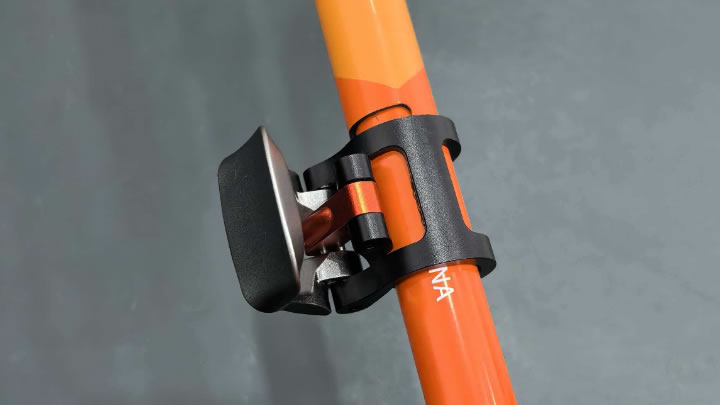
Recommended trekking pole purchase link: https://s.click.aliexpress.com/e/_c4M7OWaN
What "Hydraulic" Actually Means in Poles
First, a critical clarification: pure hydraulic length locks—where fluid pressure secures the pole sections—are exceptionally rare and not mainstream. What manufacturers typically mean when they advertise "hydraulic" technology is something different: hydraulic damping for shock absorption, not hydraulic locking.
The confusion arises because some premium poles integrate hydraulic cartridges into their design. These cartridges contain oil or gas that compresses and rebounds to absorb impact. The most well-known example is Leki's Shock Stop system, which uses a hydraulic cylinder built into the grip or shaft to reduce jarring on descents. Some other brands offer similar "internal hydraulic" mechanisms for vibration damping.
How Hydraulic Damping Works
In these systems, a small hydraulic cylinder sits within the pole. When you plant the pole, the impact forces fluid through a small orifice, compressing a spring or gas chamber. This absorbs the shock before it reaches your wrists and shoulders. The pole then returns to its original length for the next plant.
These systems are not for adjusting pole length. Length adjustment still relies on traditional mechanical locks—typically flick locks or twist locks. The hydraulic component is purely about comfort, not security.
Hydraulic vs. Mechanical Locking
If we interpret "hydraulic locking" as a system that uses fluid pressure to lock sections at a chosen length, the options are vanishingly rare. A few boutique or experimental poles have attempted fluid-based infinite adjustment systems, but they face significant challenges:
- Weight: Hydraulic mechanisms require seals, cylinders, and fluid, adding substantial weight.
- Complexity: More moving parts mean more potential failure points.
- Temperature sensitivity: Hydraulic fluid viscosity changes with temperature, affecting performance in cold conditions.
- Seal integrity: Dirt, sand, and wear can compromise seals, leading to leaks and sudden failure.
- Repairability: Field repair is impossible; a failed hydraulic lock means the pole is unusable.
For these reasons, no major manufacturer has successfully commercialized hydraulic length locks as a mainstream product. The safety and reliability standards for trekking poles demand mechanisms that provide warning before failure and can be field-serviced. Hydraulic systems do not meet these criteria.
The Premium Pole Landscape
| System Type | Exists? | Use Case |
|---|---|---|
| Hydraulic damping (shock absorption) | Yes | Premium poles for joint comfort |
| Hydraulic length locking | Extremely rare | Experimental only |
| Mechanical locks with hydraulic damping | Yes | Mainstream premium option |
| Pure hydraulic lock | No | Not commercially viable |
Who Benefits from Hydraulic Damping?
Hydraulic shock-absorbing poles are genuinely useful for specific users:
- Hikers with joint issues: The impact reduction on descents can make hiking possible for those with knee or wrist problems.
- Heavy backpackers: Additional load increases impact forces; damping helps.
- Trail runners: Fast descents generate repetitive shock that hydraulics absorb.
However, these benefits come with trade-offs: hydraulic systems add weight, complexity, and cost. The damping mechanism can also feel "mushy" to experienced hikers who prefer the direct feedback of a rigid pole.
The Reliability Question
When it comes to locking—the mechanism that keeps your pole from collapsing under your weight—hydraulic systems offer no advantage over mechanical locks. In fact, they introduce additional failure points. The most reliable premium poles on the market continue to use mechanical flick locks for length adjustment, with hydraulic damping as an optional add-on for comfort, not security.
The Verdict
Hydraulic locking systems for length adjustment do not meaningfully exist in mainstream trekking poles. What you will find in premium poles are hydraulic damping systems that absorb shock, paired with traditional mechanical locks for length security.
If you encounter marketing claiming "hydraulic locking," read carefully. It likely refers to shock absorption, not length adjustment. For the critical function of holding your pole at the correct length, mechanical flick locks remain the gold standard—reliable, repairable, and proven over decades of trail use.
Hydraulic damping can enhance comfort. Mechanical locking ensures safety. Know the difference before you buy.




