




Best locking mechanism for cold weather use?
Winter hiking and mountaineering place extraordinary demands on trekking pole locking mechanisms. Subzero temperatures, ice accumulation, frozen gloves, and the constant need for reliable support on slippery slopes create a unique set of challenges. When the consequences of pole failure could mean a dangerous fall, choosing the right locking system becomes a critical safety decision. This deep dive examines how different lock types perform in cold weather, identifying the clear winner for winter adventures.
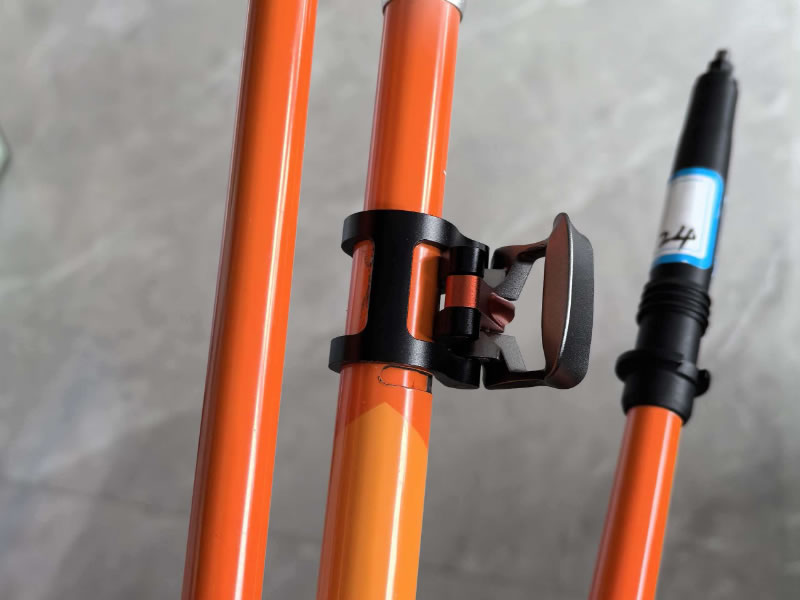
Recommended trekking pole purchase link: https://www.aliexpress.com/item/1005010734577933.html
The Cold Weather Challenge
Cold temperatures affect locking mechanisms in several ways:
Material Contraction: Metals and plastics shrink in the cold, reducing friction and loosening tolerances. What holds securely at 70°F may slip at 20°F.
Ice and Snow Accumulation: Moisture freezes on and inside poles, jamming mechanisms or preventing full engagement.
Glove Interference: Winter gloves reduce dexterity. Small levers, buttons, and twisting motions become difficult or impossible with thick insulation.
Brittleness: Cold can make plastics and some metals more brittle, increasing breakage risk under stress.
Mechanism Performance in Cold
External Lever Locks (Flick Locks):
Rating: Excellent
External lever locks are the undisputed champions of cold weather reliability. Here is why:
- Temperature Independence: The clamping mechanism relies on mechanical leverage, not friction dependent on material expansion. Cold does not affect holding power.
- Visible Operation: Ice buildup is visible on external surfaces. You can see if a lever is fully closed or if debris is interfering.
- Glove-Friendly: Large levers (especially ergonomic designs like Leki's Speed Lock or Black Diamond's FlickLock) are easy to operate with thick gloves. Some models feature spring assistance for even easier operation.
- Field Clearable: Ice or snow on the mechanism can be knocked off with a glove or pole tip. No disassembly required.
- Tension Adjustable: If cold causes minor loosening, a quick turn of a screwdriver (or even a coin) restores proper tension in seconds.
Internal Twist Locks:
Rating: Poor
Twist locks struggle significantly in cold conditions:
- Friction Dependent: Twist locks rely on friction between an internal expander and the shaft wall. Cold contraction reduces this friction, leading to slippage.
- Invisible Ice: Ice can form inside the shaft where you cannot see or clear it. This invisible ice prevents full expansion, causing sudden failure.
- Glove Difficulty: Twisting a pole section requires grip and dexterity that heavy gloves cannot provide. Users often must remove gloves to adjust, exposing hands to cold.
- No Field Adjustment: When a twist lock slips in cold, there is often no remedy on the trail. You cannot tighten it further once the thread is exhausted.
Push-Button (Auto-Lock) Systems:
Rating: Fair to Poor
Push-button folding poles face cold-weather challenges:
- Button Freezing: Small buttons can freeze in the depressed position or fail to engage fully due to ice inside the mechanism.
- Glove Incompatibility: Buttons are nearly impossible to operate with thick winter gloves.
- Sudden Failure: If ice prevents full engagement, the pole may collapse without warning under load.
- Cord Issues: The internal cords used in many folding poles can stiffen in extreme cold, affecting deployment and collapse.
- Premium Exception: High-end systems like Black Diamond's Z-Pole are designed with cold weather in mind and perform better than budget alternatives, but still cannot match external levers for reliability.
Comparative Cold Weather Performance
| Lock Type | Reliability | Glove-Friendly | Ice Tolerance | Field Serviceability |
|---|---|---|---|---|
| External Lever | Excellent | Yes | Excellent | Excellent |
| Internal Twist | Poor | No | Poor | Poor |
| Push-Button Auto | Fair | No | Fair | Poor |
Additional Cold Weather Considerations
Strap Design:
Winter-specific poles should have wide, adjustable straps that work with thick gloves. Some manufacturers offer "trigger" or "glove" straps designed for easy entry with mittens.
Grip Material:
Cork grips can become slippery when wet and frozen. Foam and rubber grips often provide better insulation and traction in cold conditions.
Baskets:
For snow travel, large powder baskets are essential to prevent poles from sinking. Ensure your chosen lock system is compatible with interchangeable baskets.
The Verdict
For cold weather use, external lever locks (flick locks) are the best choice by a significant margin. Their mechanical simplicity, glove-friendly operation, visible engagement, and field-serviceability make them the only reliable option for winter hiking, snowshoeing, and mountaineering.
If you plan to hike in subfreezing temperatures, prioritize poles with:
- Large, ergonomic external levers (spring-assisted preferred)
- Foam or insulated rubber grips
- Wide, glove-compatible straps
- Interchangeable powder baskets
Winter terrain rewards preparation. Choose a locking system that works when conditions are at their worst, not just on sunny summer days.




