




Elastic cord folding walking poles – how long do they last?
Folding trekking poles—often called Z‑poles—rely on an internal elastic cord (bungee) to hold the sections together and assist in locking them into place. This cord is the heart of the folding design, but it is also the component most subject to wear over time. For hikers considering folding poles, the natural question is: how long does that elastic cord actually last? The answer depends on how you use, store, and maintain your poles, but with proper care, the cord can last years—and when it does eventually wear, it is almost always replaceable.
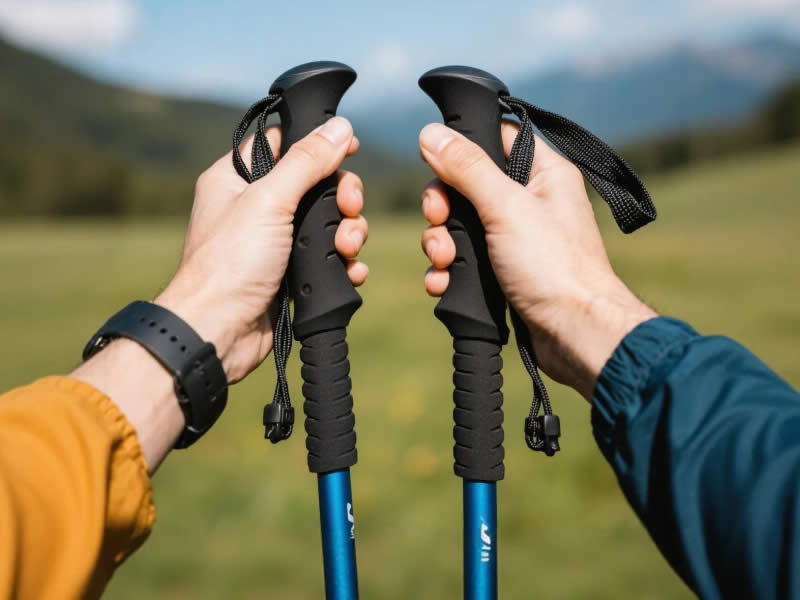
Recommended trekking pole purchase link: https://s.click.aliexpress.com/e/_c4M7OWaN
What the Elastic Cord Does
In a folding pole, the elastic cord runs through the hollow sections and is anchored at the top and bottom. When you pull the pole open, the cord provides tension that helps the internal locking buttons or cams engage. It also keeps the sections from separating when the pole is collapsed, holding the bundle together for storage. The cord is under constant tension when the pole is extended and remains stretched even when collapsed (though less so).
Factors That Determine Cord Lifespan
Frequency of folding/unfolding: The cord’s primary wear comes from the repeated stretching and relaxing that occurs each time you collapse and extend the poles. A thru‑hiker who folds and unfolds poles multiple times daily will put far more cycles on the cord than a weekend hiker who leaves poles assembled for months at a time.
Environment: Sand, dirt, and saltwater are enemies of elastic cord. Abrasive particles can work their way into the mechanism and fray the cord over time. Saltwater accelerates the degradation of both the rubber cord and any metal components inside the pole.
Storage habits: Storing poles fully collapsed for extended periods keeps the cord in a relaxed state, which is gentler than storing them partially extended. However, if the cord is already losing tension, leaving it relaxed won’t reverse the wear.
Material quality: High‑end folding poles use premium elastic cords—often made from Dyneema or high‑grade synthetic rubber blends—that resist stretching, UV damage, and abrasion better than budget cords. Cheaper poles may use standard bungee that loses elasticity within a season of heavy use.
Realistic Lifespan Estimates
With normal recreational use (weekend hiking, occasional travel), a quality elastic cord typically lasts 3–5 years before you notice significant loss of tension or visible fraying. For a thru‑hiker using poles every day for months, the cord may begin to show signs of wear after 2–3 years—but many successful thru‑hikers complete long trails with original cords intact.
When the cord fails, it rarely snaps suddenly. Instead, it gradually loses tension, making it harder to lock the sections fully or causing the collapsed bundle to feel loose. In some cases, the cord may fray at the ends where it is anchored.
Signs the Cord Needs Replacement
- Sections do not lock securely even when fully extended.
- The collapsed bundle has excessive slack or sections separate easily.
- Visible fraying at the anchor points or along the cord (if accessible).
- The pole feels “spongy” when extended, with more play than usual.
Replaceability: The Key to Longevity
The most important fact about elastic cord folding poles is that the cord is replaceable. This is not a “disposable” design. Most major brands—Black Diamond, Leki, Gossamer Gear, REI—sell replacement cord kits for their folding poles. With a simple kit (typically $10–$20) and a few minutes of patience, you can restring the pole and restore it to like‑new condition.
Replacement involves:
- Opening the pole and removing the old cord.
- Threading the new cord through the sections.
- Knotting or anchoring the ends at the appropriate tension.
- Testing to ensure proper locking.
Many outdoor retailers also offer this service for a small fee.
How to Extend Cord Life
- Clean your poles after use, especially if they have been in sand, mud, or saltwater. Rinse with fresh water and let them dry before collapsing.
- Store poles collapsed, not partially extended, to keep the cord in a relaxed state.
- Avoid leaving poles in direct sunlight for long periods; UV can degrade elastic over time.
- Inspect the cord periodically at the anchor points (often under a cap on the grip or at the tip) for early signs of fraying.
Comparison: Folding vs. Telescoping Durability
| Aspect | Folding (Elastic Cord) | Telescoping (Flick Locks) |
|---|---|---|
| Primary wear component | Elastic cord | Flick lock mechanisms |
| Replaceability | Easy with cord kit | Easy with replacement lever |
| Typical lifespan of wear part | 2–5 years | 5–10+ years (with occasional lever tightening) |
| Field repair | Possible with kit; fiddly | Very easy (screwdriver) |
While the elastic cord will likely need replacement before a flick lock wears out, the process is straightforward and inexpensive. With regular cord replacement, folding poles can last just as long as telescoping models.
The Verdict
Elastic cord folding walking poles typically last 2–5 years before the cord shows significant wear, but they can serve you for a decade or more if you replace the cord periodically. The cord is a consumable component—like tips or baskets—and its eventual replacement is part of normal pole maintenance. For hikers who value packability and are comfortable with occasional simple repairs, folding poles offer a durable, long‑term solution. The key is choosing a pole from a brand that supports its products with readily available replacement cords.
Your poles will outlast the original cord. When the time comes, a fresh cord gives them new life.




