




Walking poles for senior dogs who need slow pace?
For many pet parents, watching their senior dog slow down is bittersweet. The walks that were once energetic adventures become gentle ambles, often punctuated by pauses, stiff joints, and a pace that tests human patience and balance. If you’ve ever found yourself leaning on a fence post or struggling to keep steady while your aging companion sniffs every blade of grass, you may have wondered: Can walking poles help? The answer is a resounding yes—and they might just transform your daily strolls from a chore into a comfortable, shared experience.
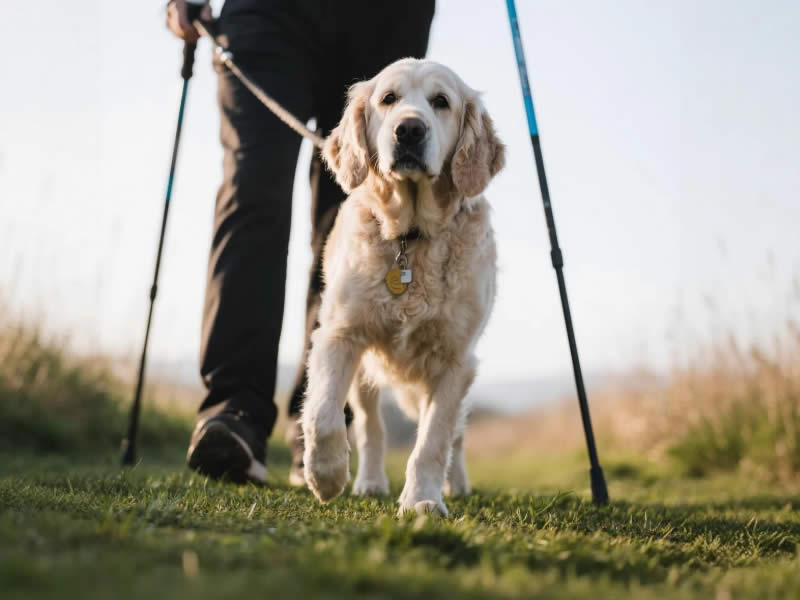
Recommended trekking pole purchase link: https://s.click.aliexpress.com/e/_c4M7OWaN
Why Walking Poles Make Sense for Senior Dog Owners
Senior dogs often need slow, meandering walks with frequent stops. This rhythm can be hard on the human body. Standing still or walking at a crawl puts stress on knees, hips, and lower backs. Walking poles—commonly used for Nordic walking or hiking—provide four key benefits when paired with an elderly dog:
- Stability – Poles create a stable tripod stance every time you pause. When your dog stops to rest or sniff, you can plant both poles and relax your posture without swaying or losing balance.
- Joint relief – By distributing your weight through your arms, poles reduce impact on your knees and hips, which is especially valuable during slow, repetitive motion.
- Pace management – Poles naturally encourage a rhythmic, deliberate gait. This helps you match your dog’s slow pace without feeling rushed or impatient.
- Confidence on uneven terrain – Senior dogs often still enjoy gentle trails or grassy areas. Poles give you sure footing, allowing you to focus on your dog rather than worrying about tripping.
Choosing the Right Poles for the Job
Not all poles are ideal for slow, stop-and-go walks with a senior dog. Look for:
- Adjustable length – You’ll want to lower the poles slightly when walking slowly to maintain a comfortable arm angle.
- Rubber “paws” or tips – Replace the sharp carbide tips with rubber boots. This prevents startling your dog with scraping noises, protects floors during rest breaks, and makes sudden pole movements safer.
- Lightweight material – Aluminum or carbon fiber poles reduce fatigue during long, slow outings.
- Simple grip system – Avoid fixed wrist straps that can trap your hand if your dog makes a sudden move. Opt for breakaway straps or simply hold the poles without using the straps during low-speed walks.
Technique: Walking with a Senior Dog Using Poles
Using poles with a slow‑paced dog is different from Nordic walking. Follow these tips:
- Keep one hand free – Use a hands‑free leash (waist belt) so you can hold both poles or, alternatively, hold both poles in one hand when navigating tight spots.
- Plant, then pause – When your dog stops, plant both poles vertically beside you. This gives you a stable stance without leaning on your dog’s leash.
- Use rubber tips – They provide enough grip on sidewalks and packed trails while muting noise that might startle a sensitive senior dog.
- Walk alongside, not ahead – Let your dog set the pace. Poles help you maintain a slow, steady walk without unconsciously speeding up.
Safety Considerations
While poles offer great support, they do introduce a potential hazard if not used mindfully. Senior dogs may move unpredictably due to arthritis or cognitive decline. Always:
- Keep poles close to your body when your dog is near your feet.
- Avoid swinging poles wide—use short, controlled movements.
- Practice at home first to let your dog acclimate to the sight and sound of the poles.
Beyond the Walk: Strengthening the Bond
Walking a senior dog is about more than exercise; it’s quality time. When you are stable, relaxed, and free from joint pain, you are more present. You can enjoy the slow pace rather than feeling frustrated. Walking poles allow you to stand comfortably for those long sniffs, kneel easily to offer encouragement, and finish the walk without feeling sore—so you’re ready to do it again tomorrow.
Final Thoughts
If your senior dog needs a slow pace, walking poles are not just for elite hikers—they are practical mobility aids for devoted pet owners. By choosing the right poles, using rubber tips, and adapting your technique to a stop‑and‑go rhythm, you can make every walk safer and more enjoyable for both of you. After all, the goal isn’t speed; it’s preserving those precious, unhurried moments with the companion who has walked beside you for so long.




