




Hiking with a puppy and poles – introduction tips?
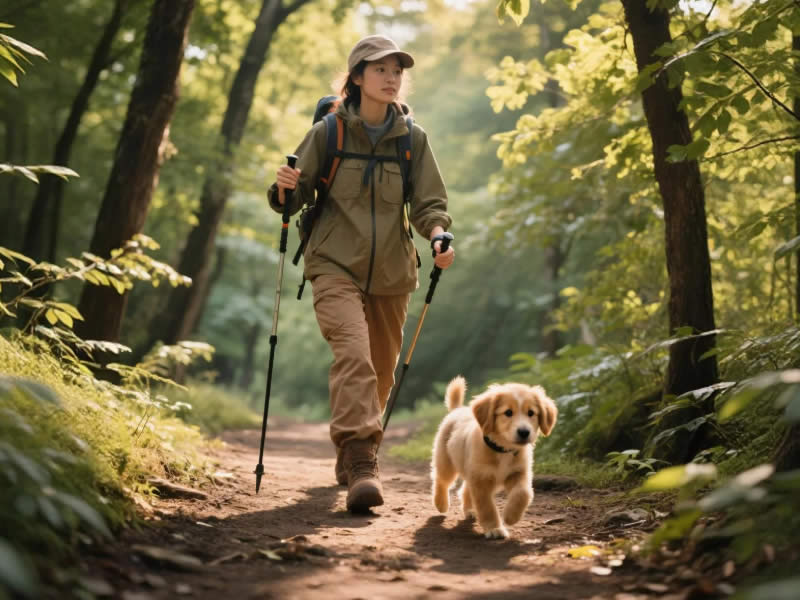
Bringing a puppy into the world of hiking is an exciting milestone. The trails, the smells, the adventure—it’s a bonding experience like no other. But if you’re a trekking pole user, you face a unique challenge: introducing your enthusiastic, impressionable puppy to the strange, clicking, swinging objects that suddenly appear in your hands. Done incorrectly, poles can startle a puppy, create fear, or even lead to unsafe situations. Done correctly, your pup will grow up viewing poles as a neutral—even positive—part of outdoor adventures. Here’s how to lay that foundation.
Recommended trekking pole purchase link: https://s.click.aliexpress.com/e/_c4M7OWaN
Why Early Introduction Matters
Puppies go through critical socialization windows. What they encounter in a calm, positive way before they are 16 weeks old often becomes normal to them for life. If the first time your puppy sees trekking poles is on a crowded trail with unfamiliar noises and distractions, they may react with fear, barking, or sudden movements that could cause accidents. A gradual, controlled introduction at home sets the stage for safe, relaxed hikes later.
Step 1: Familiarization Without Movement
Start indoors, long before you hit the trail.
- Let the puppy investigate – Place the poles (with rubber tips installed) on the floor. Allow your puppy to sniff them freely. Reward curiosity with calm praise or a small treat.
- Pair poles with good things – While your puppy is eating a meal or enjoying a chew toy, set the poles nearby. This builds a subconscious association: poles = safety and comfort.
- Touch the puppy gently with a pole – Using the rubber-tipped end, lightly stroke your puppy’s sides, back, and legs. Keep it gentle and reward calm acceptance. This desensitizes them to the sensation of being touched by a pole—a scenario that may accidentally happen on the trail.
Step 2: Introduce Movement
Once your puppy is comfortable with stationary poles, add motion.
- Walk around the house with one pole – Hold it vertically, tip down, and simply walk. Let your puppy observe. Reward them for staying calm and not chasing or fleeing.
- Add the second pole – Gradually walk with both poles, using short, controlled movements. Avoid wide swings. Let your puppy follow at their own pace. If they show fear, slow down, and use treats to create a positive association.
- Practice the “plant” sound – Tap the rubber tip gently on the floor. Reward your puppy when they remain relaxed. This mimics the sound they’ll hear on trails.
Step 3: Transition Outdoors
Move to a quiet, familiar outdoor space—a backyard or an empty parking lot.
- Use a hands‑free leash – Attach your puppy to a waist belt so you have both hands free for poles. This also prevents your puppy from darting in front of you.
- Walk with poles at a slow pace – Let your puppy set the speed. If they become fixated on the poles, use a “look at me” cue and reward disengagement.
- Practice stopping – Every time you stop, plant both poles vertically. Give your puppy a treat. This teaches them that planted poles mean rest and rewards, not something to fear.
Gear Choices Matter
- Rubber tips are essential – The sharp carbide tip is unnecessary for puppy hikes and can be dangerous. Rubber tips muffle noise, reduce injury risk, and make the poles feel less threatening.
- Lightweight poles – If you accidentally tap your puppy, lightweight poles are less startling.
- Breakaway wrist straps or no straps – You want to be able to drop poles instantly if your puppy makes an unpredictable move. Fixed straps can trap your hand.
Training Commands for Safety
Teach simple cues that will keep your puppy safe around poles:
- “Watch” – Warn your puppy before you plant a pole near them.
- “Side” – Train your puppy to walk on a specific side (opposite your dominant pole hand). Use treats to reinforce position.
- “Wait” – Essential for when you need to adjust poles or navigate tricky sections.
Respect Growing Bodies
Puppies have developing bones, joints, and growth plates. Over-exercising on hikes can cause long-term damage.
- Limit hiking duration – A general rule is 5 minutes of structured exercise per month of age, twice a day. For a 4‑month‑old, that’s about 20 minutes of active hiking.
- Avoid steep or rugged terrain – Stick to flat, forgiving trails until your puppy’s joints are mature (usually 12–18 months, depending on breed).
- Watch for fatigue – If your puppy starts lagging, lying down, or refusing treats, end the session.
What to Avoid
- Never use poles to herd or poke – Poles are not training tools. Never touch your puppy with a pole to correct behavior.
- Don’t introduce poles on a busy trail – Too many distractions at once can overwhelm a puppy and create lasting fear.
- Avoid wrist straps until your puppy is reliable – Being unable to release poles quickly can lead to accidents.
Patience Pays Off
Every puppy learns at a different pace. Some will accept poles within days; others may need weeks of gradual exposure. The goal is not speed but building a foundation of confidence. A puppy who grows up seeing poles as a normal, boring part of your hiking gear will become a relaxed adult dog who walks safely alongside you—no matter how many poles you carry.
Final Thoughts
Introducing a puppy to hiking poles is an investment in years of safe, enjoyable trail time. By starting at home, using positive reinforcement, respecting your puppy’s physical limits, and choosing the right gear, you turn a potential hazard into a non-event. Soon enough, your dog will walk beside you with the same ease as if the poles weren’t there—free to enjoy the sights, smells, and joy of the trail, while you enjoy the stability that poles provide.




