




Which trekking pole brand is better: Leki or Komperdell?
When German engineering meets the trail, two names dominate: Leki and Komperdell. Both are family‑owned, Alpine‑born brands with decades of experience. But which one deserves a spot in your pack for 2026? The answer depends on your hiking style, terrain, and budget. Let’s break down their key differences.
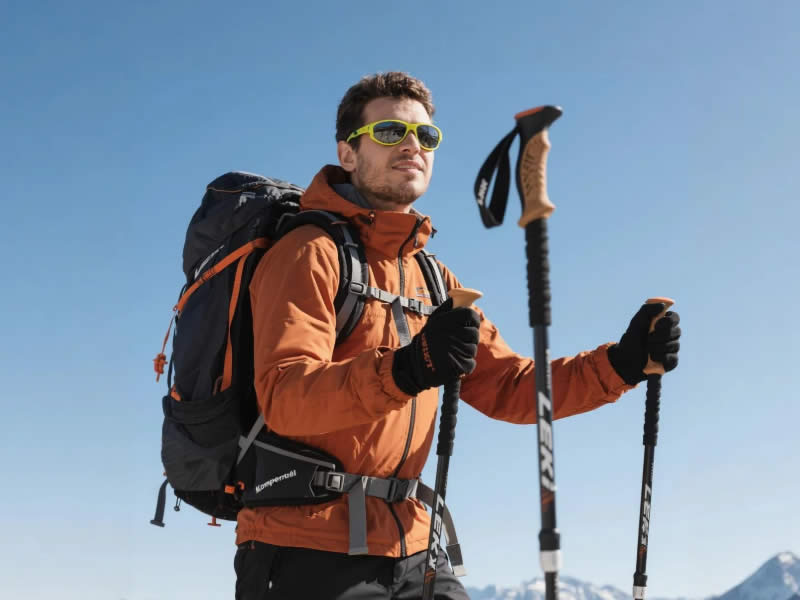
Recommended trekking pole purchase link: https://s.click.aliexpress.com/e/_c4M7OWaN
Locking mechanisms – Leki’s edge
Leki revolutionized the industry with its SpeedLock system. The external lever clamp is tool‑free, easy to adjust with gloves on, and highly reliable even after years of use. Komperdell traditionally relied on twist locks, but newer models (like the Carbon C4) have introduced lever locks as well. Still, Leki’s version feels more refined and secure, especially on muddy or snowy German trails.
Weight and materials – Komperdell fights back
If ultralight performance is your priority, Komperdell takes the lead. Their Carbon C4 Pro weighs under 200 grams per pole – lighter than most Leki carbon models. Komperdell also excels in vibration dampening, reducing arm fatigue on long descents. Leki’s carbon poles (e.g., Makalu FX Carbon) are slightly heavier but feel more robust for rocky terrain like the Bavarian Alps.
Grip comfort and ergonomics
Leki is famous for its cork and foam hybrid grips. They mold to your hand, wick sweat, and provide excellent grip in rain. Many Leki poles also feature an extended foam grip for choke‑up climbing. Komperdell uses softer rubber or EVA foam grips that some hikers find less breathable. However, Komperdell’s “Shark” carbide tip system offers faster tip changes – a small but nice detail.
Durability and warranty
Both brands are built to last, but Leki has a reputation for tougher aluminum shafts (e.g., the Makalu series). Komperdell’s lightweight carbon can be more brittle if jammed between rocks. Warranty: Leki offers a limited lifetime warranty on shafts; Komperdell provides two years. For aggressive hikers, Leki is safer.
Price and value
Entry‑level Leki poles start around €70, while Komperdell offers budget options like the Trekking Pro at €50. At the high end, both cost €120‑180. Komperdell gives you lighter weight for less money, but Leki delivers better long‑term reliability.
Final verdict
Choose Leki if you want bomb‑proof locks, comfortable cork grips, and durability for rough Alpine trails – it’s the better all‑rounder. Choose Komperdell if you’re a weight‑weary long‑distance hiker or fastpacker who values carbon lightness and vibration control. For most hikers in Germany, Leki edges ahead. But you truly can’t go wrong with either Austrian icon.




